2026 Top Chamfer Machines for Precision Manufacturing Insights?
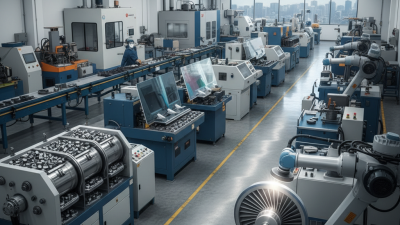
In the world of precision manufacturing, Chamfer Machines play a vital role. These machines are essential for creating bevels on metal parts. Their significance is growing rapidly, especially in various industries. Manufacturers rely on these machines for accurate and efficient operations.
Choosing the right Chamfer Machines requires careful consideration. There are many models available, each with unique features. Factors like size, speed, and precision matter. This can be overwhelming for buyers. Understanding the specific needs of a project can help. Yet, many still face challenges when selecting the perfect machine.
The landscape of Chamfer Machines is constantly evolving. New technologies emerge frequently. However, not all innovations lead to better results. Some machines may lack reliability or are difficult to maintain. This highlights the need for thorough research. Finding the right balance between innovation and functionality is crucial in today's market.
2026 Top Chamfer Machines: Overview of Precision Manufacturing Needs
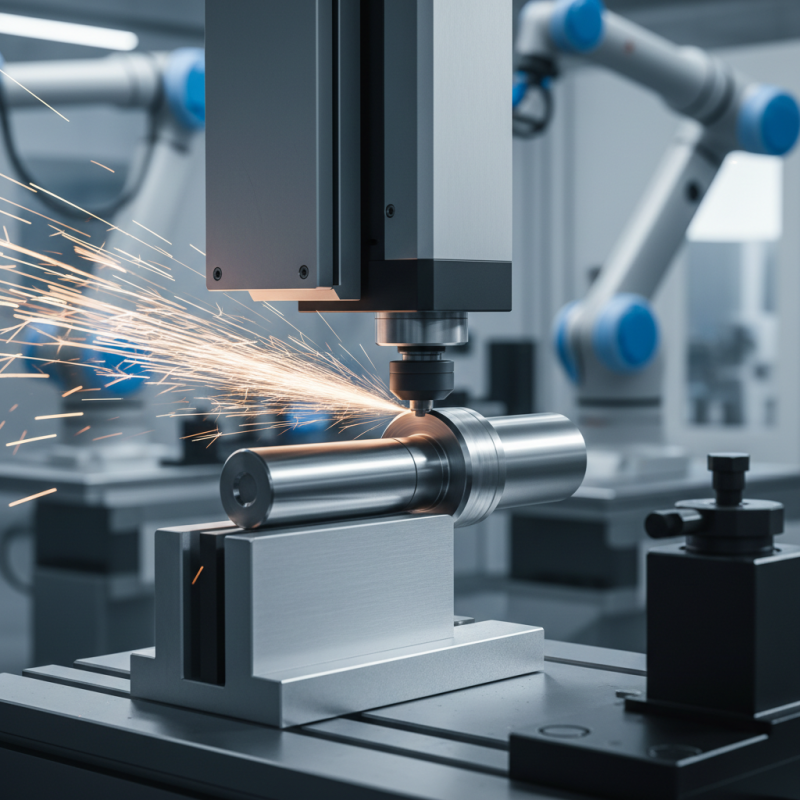
In 2026, precision manufacturing demands will highlight the importance of chamfer machines. These machines are crucial for creating edge bevels on various materials. According to recent industry reports, nearly 40% of manufacturers emphasize the need for consistent precision in their machining processes. Achieving this can reduce defects and improve product lifespan.
The growing complexity of designs means that manufacturers face challenges in maintaining quality standards. Many struggle with machine calibration, leading to inconsistent results. Reports show that about 25% of production delays stem from equipment inefficiencies. Addressing these issues is essential for meeting increasing customer expectations.
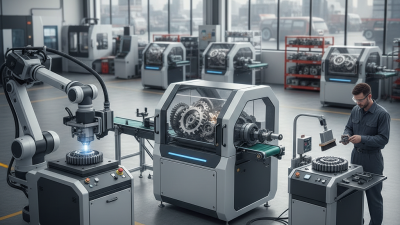
The forecast indicates a rising trend in automation. Automated chamfer machines will likely dominate the market, enhancing accuracy. However, companies must reflect on their existing workforce's adaptability. Training and skill development are critical as technology evolves. Close monitoring of performance metrics will be necessary to ensure seamless transitions and minimize production hiccups.
2026 Top Chamfer Machines for Precision Manufacturing Insights
Key Features to Look for in Chamfer Machines for Precision Manufacturing
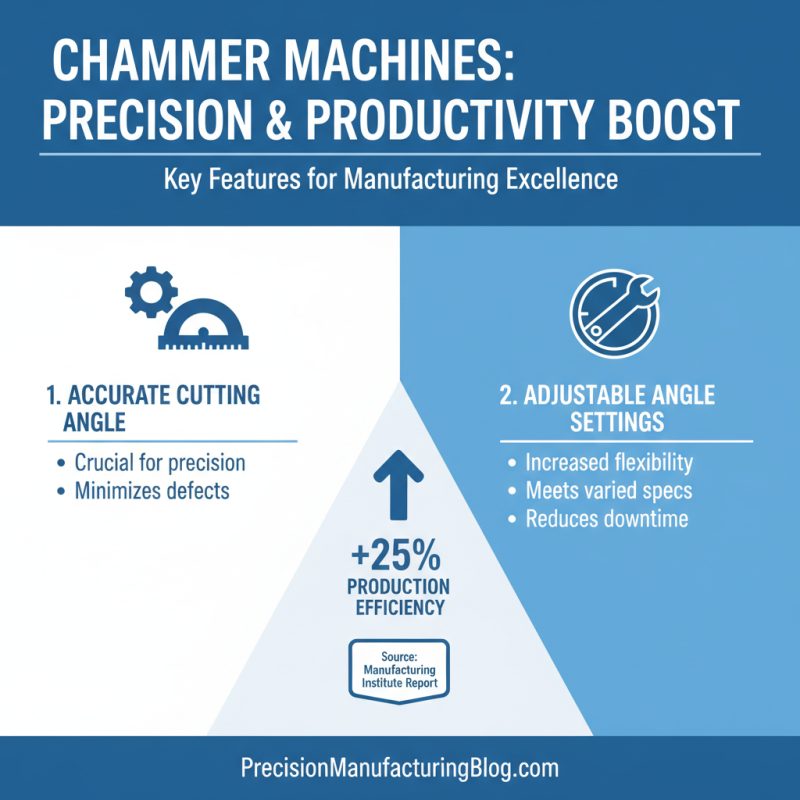
When considering chamfer machines for precision manufacturing, there are key features that can greatly enhance productivity. The accuracy of the machine’s cutting angle is crucial. A report by the Precision Manufacturing Institute highlights that machines with adjustable angle settings can improve production efficiency by up to 25%. This flexibility allows manufacturers to meet varied project specifications without extensive downtime for adjustments.
Another essential feature is the feed rate control. Machines that offer variable feed rates can adapt to different materials and thicknesses. According to the latest data from the International Machine Tool Association, inconsistent feed rates can lead to production errors in up to 15% of cases. Thus, investing in machines with precise feed rate adjustments can reduce waste and ensure higher quality output.
Moreover, ease of maintenance cannot be overlooked. Frequent maintenance can disrupt production schedules. Research indicates that machines designed for easy access to key components can reduce maintenance time by an estimated 30%. However, many users overlook this aspect, focusing solely on capabilities. A balance between advanced features and simplicity could be the key to efficient operations. Consider all these factors carefully to make informed decisions in your manufacturing setup.
Innovative Technologies Shaping the Future of Chamfer Machines
The future of chamfer machines is being shaped by innovative technologies. Manufacturers are adopting advanced automation and data-driven approaches. These changes are making chamfering more efficient and precise. Real-time monitoring systems provide instant feedback on cutting performance. Such innovations are enhancing product quality while reducing waste.
Tips: Consider investing in machines that offer intuitive interfaces. This can help your team adapt quickly. Regular training sessions can also maximize machine utilization.
Emerging technologies like AI could redefine chamfering processes in coming years. Some manufacturers may struggle with the integration. Understanding these new tools requires time and effort. Also, automatic adjustments may not always work flawlessly. A hybrid approach, combining manual and automated systems, can sometimes yield better results. The key is to remain flexible and open to change.
2026 Top Chamfer Machines for Precision Manufacturing Insights
| Machine Model |
Maximum Diameter (mm) |
Chamfer Angle (Degrees) |
Feed Rate (m/min) |
Power Consumption (kW) |
Accuracy (mm) |
| Model A |
100 |
45 |
15 |
5.5 |
0.01 |
| Model B |
150 |
30 |
20 |
7.5 |
0.005 |
| Model C |
120 |
60 |
18 |
6.0 |
0.008 |
| Model D |
90 |
15 |
12 |
4.0 |
0.01 |
| Model E |
110 |
45 |
22 |
8.0 |
0.006 |
Comparative Analysis of Leading Chamfer Machine Brands in 2026
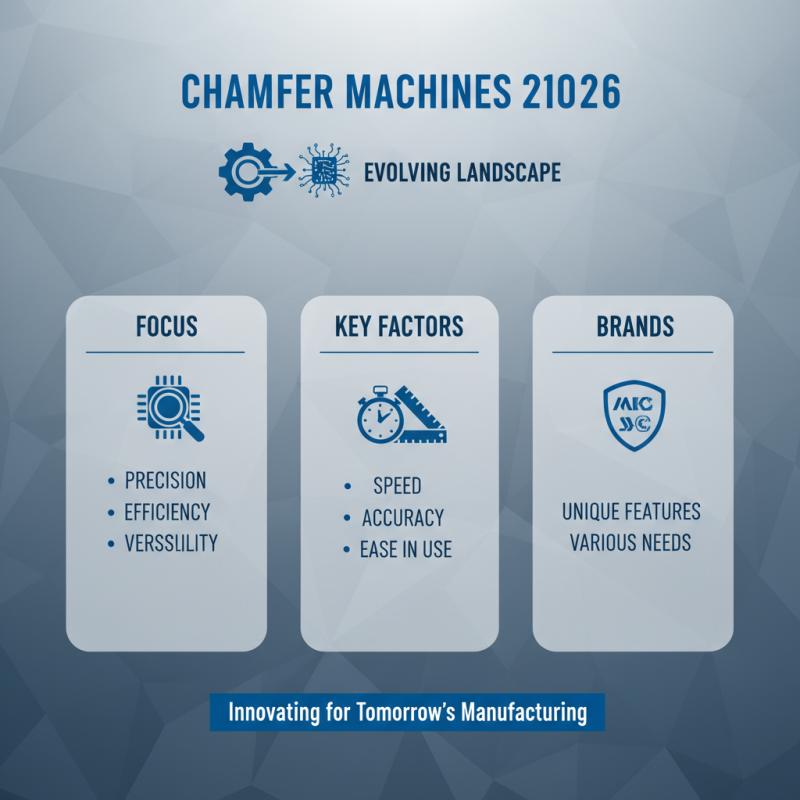
In 2026, the landscape for chamfer machines continues to evolve. Manufacturers are focused on precision, efficiency, and versatility. Different brands offer unique features that cater to various needs. Key factors include speed, accuracy, and ease of use.
One prominent feature in current models is automation. Automated systems enhance production rates. However, reliance on automation can introduce complexities. Operators might need additional training to manage sophisticated setups. Balancing technology with human skills is vital.
**Tip:** Always consider maintenance requirements before choosing a machine. A machine’s longevity can affect overall production costs. Look for machines that offer easy access to parts for repairs.
Another area to evaluate is the customer support from brands. Comprehensive after-sales support helps reduce downtime. A brand with a solid reputation may not always meet your specific needs. It's wise to consult user reviews or industry experts.
**Tip:** Prioritize a machine that suits your unique production demands. A tailored solution can outperform high-end, generic machines. Focus on specifics rather than brands.
Industry Applications and Benefits of Using Chamfer Machines
Chamfer machines play a crucial role in precision manufacturing. By creating angled edges on materials, they enhance product safety and aesthetics. Industries, such as automotive and aerospace, greatly benefit from this technology. A report from the Precision Engineering Society states that chamfered edges can reduce stress concentrations, which are vital in high-stress applications.
Using chamfer machines can minimize the risk of injuries in the workplace. Sharp edges often lead to accidents or damaged components. Moreover, these machines improve the longevity of parts. According to industry data, products with chamfered edges show a 20% increase in durability compared to those without.
Tip: Always consider the intended application when designing chamfer angles. The wrong angle can compromise material integrity.
Additionally, regular maintenance of chamfer machines is essential. Neglecting this can lead to subpar cuts and increased waste. A report from the Manufacturing Efficiency Network highlights the importance of routine inspections, revealing that 30% of operational downtime comes from machinery neglect.
Tip: Schedule audits and prompt servicing to keep machines at peak performance. This practice helps in minimizing unforeseen issues. Properly calibrated machines result in better efficiency and output.