What is an Aluminum Plate Sanding Machine and How Does It Work?
An Aluminum Plate Sanding Machine is a crucial tool in various industries. It is designed to smooth the surface of aluminum plates. This machine ensures precision and efficiency in finishing aluminum products.
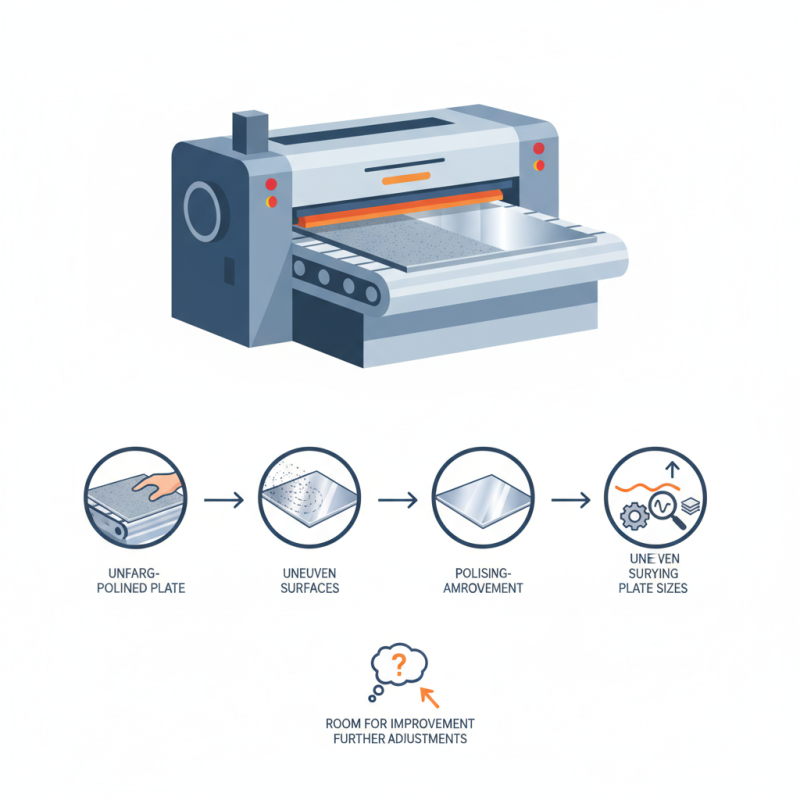
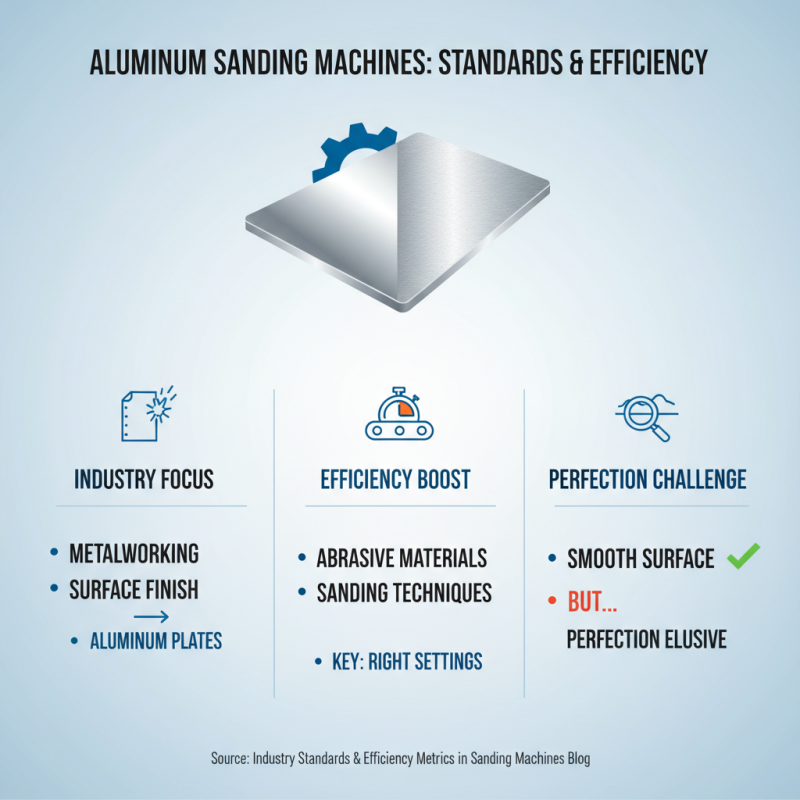
Operating the Aluminum Plate Sanding Machine involves several steps. The machine uses abrasive materials to remove imperfections. As it sands, the aluminum transforms, creating a polished appearance. Users should monitor the process for optimal results. In some cases, sanding may not achieve the desired finish and may require further adjustments.
While effective, the machine offers room for improvement. Operators may encounter challenges with uneven surfaces or varying plate sizes. These factors can impact the final output. Reflecting on these issues is essential for mastering the use of an Aluminum Plate Sanding Machine.
What is an Aluminum Plate Sanding Machine?
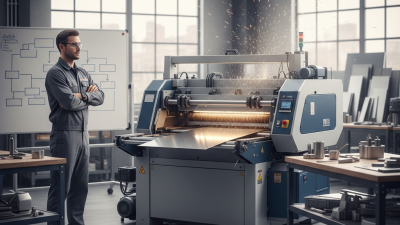
An aluminum plate sanding machine is a specialized tool used in metalworking. It smooths and finishes aluminum surfaces, ensuring a clean and precise edge. This type of machine is essential for industries that require aluminum components, such as automotive and aerospace manufacturing. By utilizing sandpaper or sanding belts, it removes imperfections from the surface of the aluminum plates.
The working process involves placing the aluminum plate securely on the machine. The operator selects an appropriate sanding grit to match the desired finish. The machine then rotates the sanding belt or disc against the plate, creating a smooth surface as it progresses. Often, achieving the perfect finish requires multiple passes with different grits. Sometimes, the results may not meet expectations. In those cases, re-evaluating the sanding technique becomes crucial.
It's important to consider the machine's settings and maintenance. Regular checks on the sanding belt tension can prevent uneven sanding results. Additionally, sufficient ventilation and dust collection systems must be in place to maintain optimal working conditions. Mistakes in setup can lead to wasted materials or subpar finishes. This underscores the need for consistent training and understanding of the machine's capabilities.
Aluminum Plate Sanding Machine Usage Statistics
Key Components of an Aluminum Plate Sanding Machine
An aluminum plate sanding machine is designed for precision surface finishing. It uses various components to achieve a smooth, even finish on aluminum plates. These machines primarily consist of a sanding drum, feed mechanism, and dust collection system.
The sanding drum is crucial. It is covered with abrasive material. This material wears down over time, affecting performance. Regular inspection and replacement are essential.
The feed mechanism controls the speed and angle of the aluminum plate as it moves through the machine. If the plate is not aligned correctly, it can result in uneven sanding.
Dust collection systems play a vital role in maintaining a clean workspace. These systems capture debris and particles generated during sanding. However, they can become clogged if neglected, leading to inefficiencies.
Users should regularly check for blockages and ensure the system is functional. Each component of the machine needs attention, as even minor issues can impact the final product's quality.
The Sanding Process: How It Prepares Aluminum Surfaces
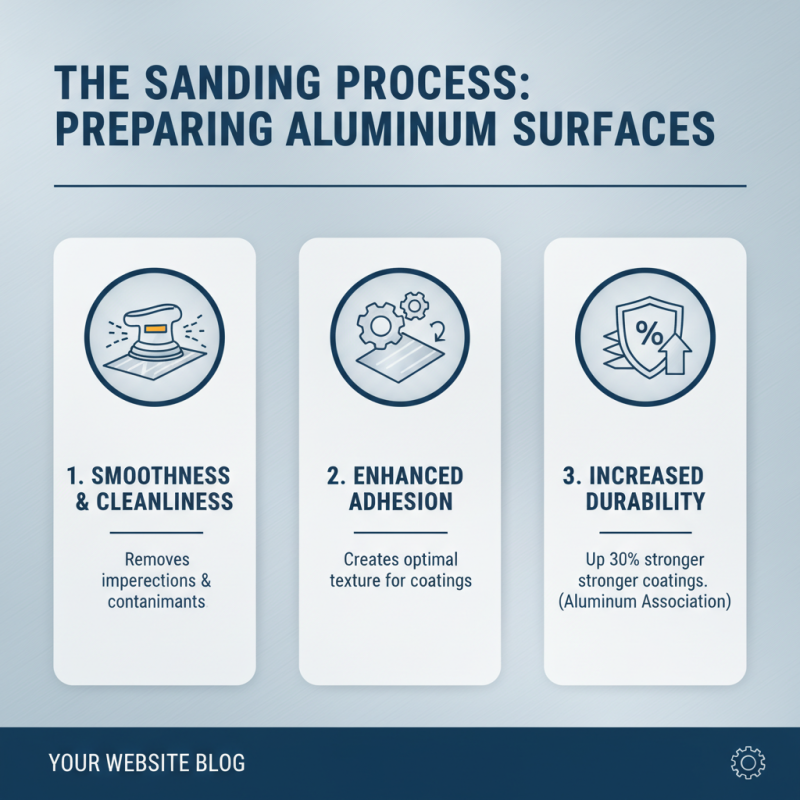
The sanding process is crucial for preparing aluminum surfaces. It ensures the smoothness and cleanliness essential for further applications. By removing imperfections, sanding enhances adhesion for coatings and finishes. A report from the Aluminum Association suggests that proper surface preparation can improve coating durability by up to 30%. This statistic highlights the significance of a well-executed sanding operation.
During sanding, the choice of abrasive material matters greatly. Various grits are available for different surface conditions. Coarser grits quickly remove material, while finer grits refine the surface. However, using the wrong grit can lead to scratches or uneven surfaces. This mistake often forces additional sanding, which can be time-consuming and wasteful.
Additionally, one must consider dust generation. Dust particles not only complicate the sanding process but can lead to health issues if inhaled. Effective dust collection systems mitigate these risks, yet many workshops overlook this aspect. Regular maintenance of these systems is often ignored, resulting in inefficient operations. This oversight can have long-term effects on both worker health and product quality.
Applications and Benefits of Using Sanding Machines for Aluminum
Aluminum plate sanding machines are vital tools in various industries. They provide precision and efficiency when finishing aluminum surfaces. These machines are widely used in automotive, aerospace, and manufacturing sectors. Sanding helps achieve a smooth finish, which is crucial for aesthetics and durability.
The main benefit of using sanding machines for aluminum is the consistency they offer. Manual sanding can lead to uneven surfaces, which may affect the final product. With machines, you can maintain a uniform finish across all pieces. This is particularly essential in industries where quality control is paramount. Additionally, these machines reduce labor time significantly.
Tips: Always start with coarse sandpaper and gradually use finer grits. This method can avoid deep scratches. Remember to check the machine settings before use to prevent damaging the aluminum. Sometimes, operators overlook setup details, which can lead to frustrating results. It’s good practice to clean the machine regularly. Dust buildup can hinder performance and result in uneven sanding. A clean machine yields better finishes.
What is an Aluminum Plate Sanding Machine and How Does It Work? - Applications and Benefits of Using Sanding Machines for Aluminum
| Dimension |
Value |
| Machine Type |
Aluminum Plate Sanding Machine |
| Voltage |
220V/380V |
| Power Consumption |
5-15 kW |
| Sanding Speed |
3-20 m/min |
| Max Plate Thickness |
50 mm |
| Weight |
500-1000 kg |
| Applications |
Automotive, Aerospace, Electronics |
| Benefits |
Improved Surface Finish, Increased Efficiency |