Why Choose an Automatic Chamfer Machine for Your Manufacturing Needs?
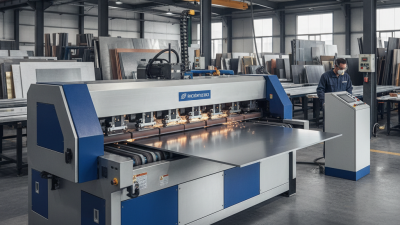
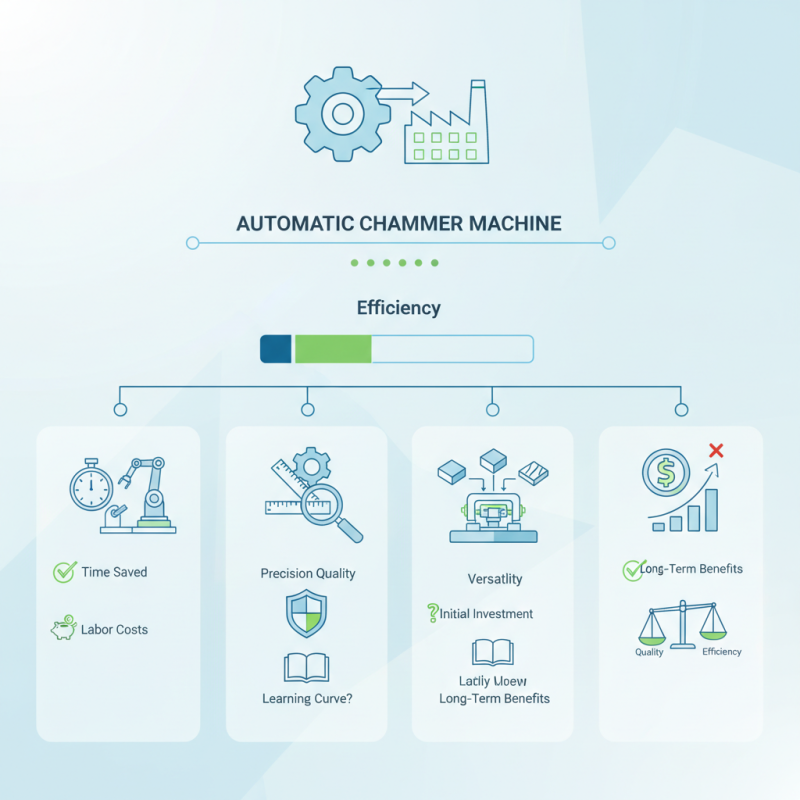
In today’s fast-paced manufacturing environment, efficiency is key. An Automatic Chamfer Machine can significantly enhance production quality. This machine automates the chamfering process, saving both time and labor costs. Manufacturers often face challenges in achieving precision. With this automatic equipment, those challenges are minimized.
The technology behind an Automatic Chamfer Machine is advanced yet user-friendly. It can cater to various materials and thicknesses, making it versatile. However, while it promises high efficiency, some users may find the learning curve steep. Proper training is essential to maximize its potential. Investing in such machinery requires thoughtful consideration.
Moreover, the initial investment can seem daunting. Companies need to weigh the long-term benefits against short-term costs. It’s crucial to reflect on both the operational needs and budget constraints. Ultimately, an Automatic Chamfer Machine could be the solution that balances quality and efficiency in manufacturing.
Benefits of Automatic Chamfer Machines in Manufacturing Processes
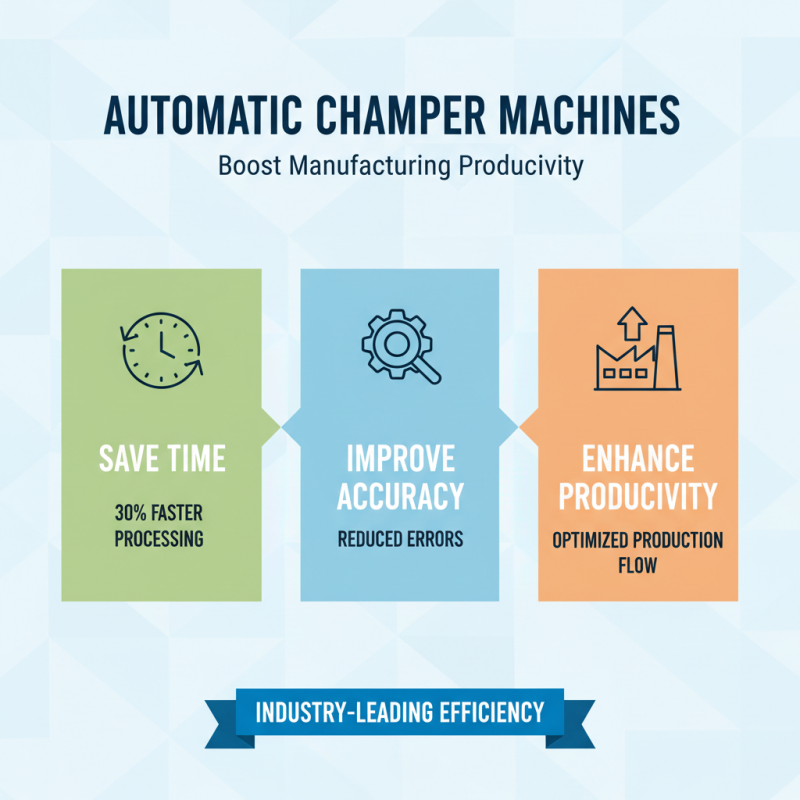
Automatic chamfer machines are revolutionizing manufacturing. They streamline the chamfering process, reducing time and labor costs. A well-designed machine can handle various materials effortlessly. The precision of automatic machines ensures that every edge is uniform, enhancing product quality.
One major benefit is efficiency. These machines can work at higher speeds than manual methods. This capability allows manufacturers to increase output significantly. Moreover, they minimize human error. Even small mistakes can lead to costly setbacks. Automating the chamfering process reduces this risk, but it requires careful calibration and monitoring.
However, not every manufacturing setup may benefit equally. The initial investment can be high. Some users report steep learning curves, requiring training for staff. It’s vital to assess whether the volume justifies the expense. A machine might enhance productivity, yet it can also create dependency on technology. Balancing automation with skilled labor is crucial for long-term success.
Key Features to Consider When Selecting an Automatic Chamfer Machine
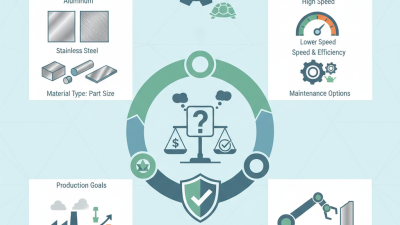
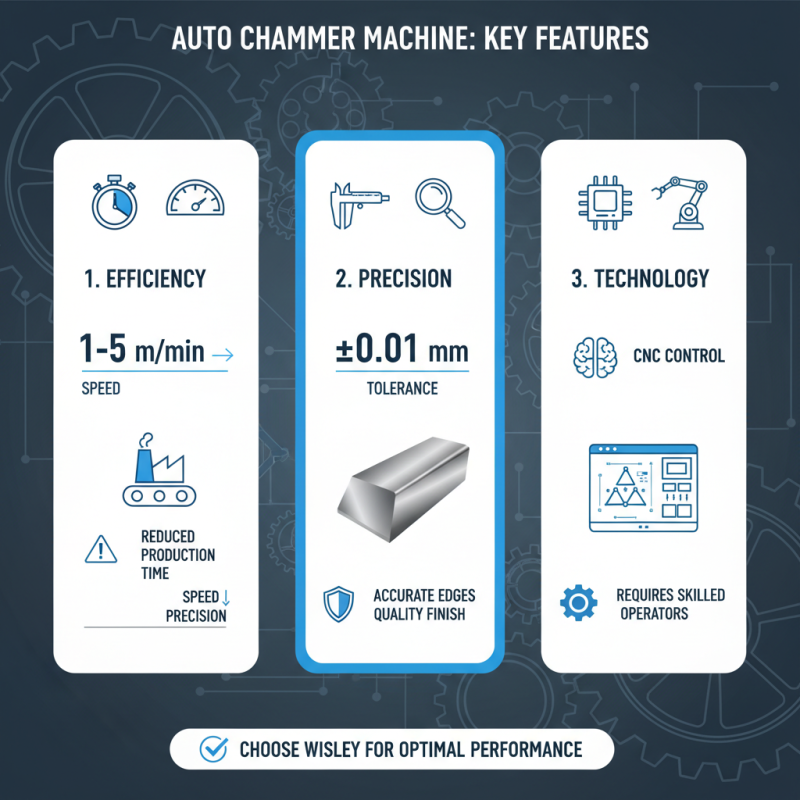
When selecting an automatic chamfer machine, understanding key features is crucial. Efficiency is paramount; machines can typically achieve chamfering speeds of 1 to 5 meters per minute. This high speed reduces production time but can impact precision. Precision matters, and many machines offer tolerances as tight as 0.01 mm. Advanced models utilize CNC technology, enhancing accuracy but requiring skilled operators.
Another important feature is flexibility. Some machines handle various materials, from aluminum to stainless steel. A report by a leading industry analyst noted that versatility increases a machine's value by 30%. However, not all models can adapt seamlessly to different thicknesses or shapes, leading to potential waste. Operators must often recalibrate machines, which can halt production.
Maintenance is another consideration. Automatic machines need regular upkeep to ensure longevity. Some manufacturers report up to 20% downtime due to maintenance issues. Users should be prepared for this aspect, as it can impact overall productivity. Finding the right balance between speed, precision, and maintenance is a challenge. It's essential to consider the specific needs of your production line carefully.
The Role of Automatic Chamfer Machines in Cost Reduction Strategies
Automatic chamfer machines can significantly impact manufacturing efficiency. These machines create precise bevels on workpieces, reducing the need for manual finishing. This automation not only increases productivity but also minimizes the risk of human error. By adopting such technology, companies can achieve consistent quality in their products.
Cost reduction strategies play a critical role in manufacturing. Using automatic chamfer machines allows businesses to cut labor costs. Fewer workers are needed for manual machining tasks. Additionally, these machines operate at high speeds, completing tasks quickly. This efficiency can lead to lower production times and better output rates.
**Tips:** Regular maintenance of the chamfer machine is essential. Neglect can lead to unexpected breakdowns. Consider training operators thoroughly on machine settings and best practices. This investment can reduce costly mistakes. Evaluate the workload and adjust machine parameters accordingly.
Why Choose an Automatic Chamfer Machine for Your Manufacturing Needs? - The Role of Automatic Chamfer Machines in Cost Reduction Strategies
| Feature |
Automatic Chamfer Machine |
Manual Chamfering Method |
| Production Speed |
High (up to 200 parts/hour) |
Low (typically 10-20 parts/hour) |
| Labor Costs |
Lower (reduced need for manual labor) |
Higher (requires skilled workers) |
| Consistency |
High (uniform results) |
Variable (subject to manual errors) |
| Setup Time |
Minimal (automation allows quick changeovers) |
Significant (requires manual adjustments) |
| Initial Investment |
Higher (cost of machinery) |
Lower (no machinery purchase needed) |
| Long-Term Savings |
Significant (reducing labor and time costs) |
Minimal (higher ongoing labor costs) |
Comparing Manual vs. Automatic Chamfer Machines: Pros and Cons
When it comes to chamfer machining, automatic and manual machines each have unique benefits and drawbacks. Manual chamfer machines are often cheaper and more versatile. Operators can easily adjust settings for different tasks. However, this flexibility comes with challenges. Manual machines require skilled labor. Productivity can suffer without experienced operators.
On the other hand, automatic chamfer machines offer efficiency. They reduce labor costs and boost production rates significantly. According to a recent industry report, automatic machines can increase output by up to 50% compared to manual versions. They also lower the risk of human error. Yet, initial investments can be substantial. Smaller manufacturers may hesitate due to costs.
Tips: Evaluate your production needs first. If flexible production is vital, consider manual options. However, for high-volume manufacturing, automatic machines shine. Investing in training for operators can also mitigate risks of manual errors. Regular maintenance checks ensure both types of machinery run smoothly. Balancing these aspects will enhance productivity while addressing budget constraints.