How to Choose the Best Aluminum Deburring Machines for Your Needs?
Choosing the right Aluminum Deburring Machines is crucial for enhancing productivity and maintaining quality in manufacturing. According to recent industry reports, the global market for deburring machines is projected to grow by over 5% annually, reflecting the increased demand for precision and efficiency. This growth highlights the importance of selecting the appropriate machine to meet specific operational needs.
Not all Aluminum Deburring Machines are created equal. Factors such as machine type, size, and features significantly impact performance. A lack of understanding can lead to poor choices, potentially causing delays or increased operational costs. Industry experts suggest that businesses conduct thorough assessments of their deburring requirements to avoid these pitfalls.
Focusing on reliable suppliers and innovative technology can provide an edge in a competitive landscape. However, finding a balance between cost and quality remains a challenge for many. The decision-making process must encompass both immediate needs and future scalability to ensure long-term success. Insightful and informed choices in this area can ultimately elevate a company's operational capabilities.
Understanding Aluminum Deburring: Importance and Applications
Aluminum deburring is crucial in metalworking. It removes sharp edges and irregularities from aluminum parts. This process enhances safety by reducing the risk of cuts and injuries. Additionally, a smooth finish improves the aesthetic quality of products. Manufacturers recognize that deburring affects overall performance and longevity of components.
Industries utilize aluminum deburring in various applications. These include automotive, aerospace, and electronics. A well-deburred aluminum part ensures better fit and function. However, many overlook the significance of effective deburring. Improper techniques can lead to residual burrs, compromising part integrity. This shows the value of using proper equipment for deburring tasks.
Choosing the right deburring machine is not always straightforward. It requires understanding specific needs and production volumes. Factors like machine speed, size, and type of deburring method matter. Many users report frustration when machines do not meet their expectations. This highlights the importance of research and personal experience in making informed choices.
How to Choose the Best Aluminum Deburring Machines for Your Needs?
| Feature |
Description |
Importance |
| Machine Type |
Manual, Semi-Automatic, Fully Automatic |
Choice impacts productivity and labor costs. |
| Deburring Method |
Rotary, Vibratory, Brush |
Effectiveness in finishing and tool wear. |
| Power Source |
Electric, Pneumatic |
Availability and operational costs. |
| Material Compatibility |
Aluminum, Steel, Brass |
Ensures versatility for varied applications. |
| Size & Weight |
Compact vs. Larger machines |
Space considerations and mobility needs. |
| Cost |
Initial purchase price and maintenance |
Budget constraints and overall ROI. |
| User-Friendliness |
Ease of operation and maintenance |
Reduces training time and operational errors. |
| Warranty & Support |
Length and coverage of warranty |
Provides security and peace of mind. |
Key Features to Look for in Aluminum Deburring Machines
When choosing an aluminum deburring machine, key features significantly impact its efficiency and suitability for specific tasks. Look for machines with adjustable speed settings. This allows you to match the deburring process to the material's thickness and hardness. Variable speeds can enhance control and improve edge finishing. Moreover, a robust design is essential. A durable frame contributes to the machine's stability, especially during heavy use.
Consider the machine's ease of maintenance. Features like accessible parts and simple cleaning procedures save time and effort. Regular upkeep prolongs machine life and performance. Additionally, pay attention to the type of abrasives. Various deburring applications require different abrasive materials. Selecting the right abrasives ensures you achieve the desired finish without damaging the aluminum workpiece.
Finally, user-friendliness plays a crucial role. Machines should have intuitive controls and clear guidelines for operation. A steep learning curve can lead to errors. Sometimes, a machine's efficiency may not meet expectations, leading to frustration. Investing time to understand the machine's capabilities is vital. Consider all these features carefully to enhance your overall workflow.
Types of Aluminum Deburring Machines: A Comparative Overview
When considering aluminum deburring machines, understanding their types is crucial. The main categories include manual, semi-automatic, and fully automatic machines. Each type has unique features that cater to varying production needs. Manual machines are cost-effective but require more operator skill and time. They are often suitable for small workshops with limited budgets.
In contrast, semi-automatic and fully automatic machines offer higher efficiency. Industry studies indicate a 30% increase in productivity with fully automatic systems. These machines can handle complex aluminum profiles with minimal operator intervention. However, the initial investment is significantly higher. A report from the Machinery Manufacturers Association stated that the adoption of automated technology is rising 15% annually, highlighting the industry's shift towards efficiency and precision.
Flexibility is another aspect to consider. Some machines can process a variety of materials beyond aluminum. This versatility can enhance operational capabilities. However, multi-functional machines may compromise specific deburring needs. It's essential to reflect on your production volume and budget. A machine that suits one operation may not be ideal for another. Choose wisely to avoid costly mistakes.
How to Choose the Best Aluminum Deburring Machines for Your Needs?
Factors Influencing the Selection of Deburring Machines
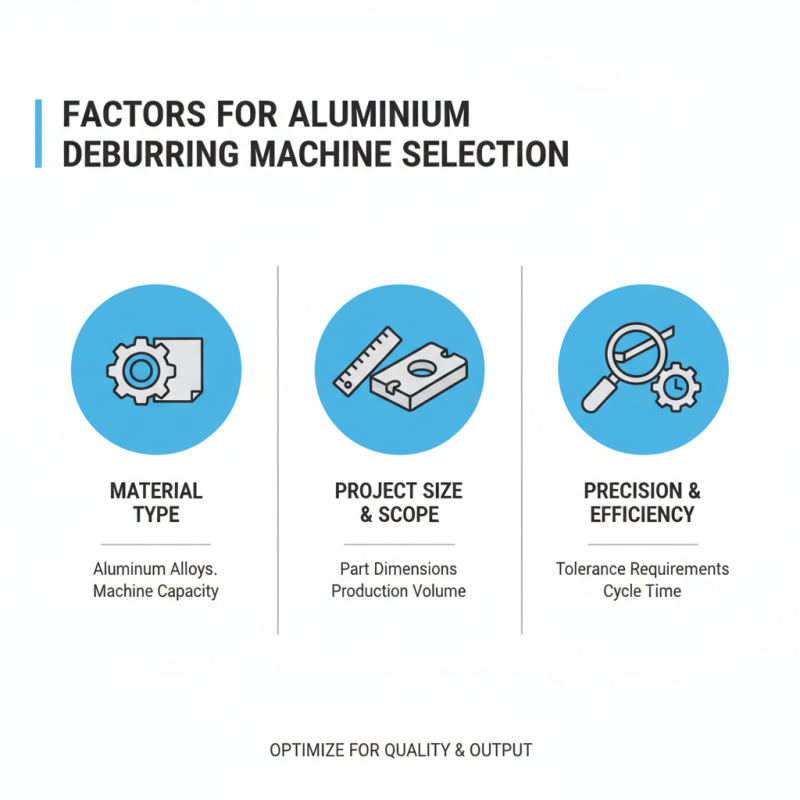
Selecting the right aluminum deburring machine is essential for precision and efficiency. Several factors impact this choice. The type of materials you work with is crucial. Machines may have varying capacities for different metal alloys. Understanding these specifications will guide your decision-making. You need to consider the size and scope of your projects. A larger workspace requires a more robust machine.
Another important aspect is the machine's noise level. Some models operate quietly, which is beneficial in a crowded workspace. Dust extraction features are also significant. These will help keep your environment clean and compliant with safety standards. Additionally, think about your team's skill level. Some machines are easier to operate than others, impacting training time and productivity.
Budget constraints often play a decisive role. However, investing in quality machines usually pays off in longevity and lower maintenance costs. Reflect on the balance between cost and features. Review customer feedback to gauge reliability over time. Practical experiences from other users can highlight the machine's strengths and flaws, helping you make an informed choice.
Maintenance and Care Tips for Aluminum Deburring Equipment
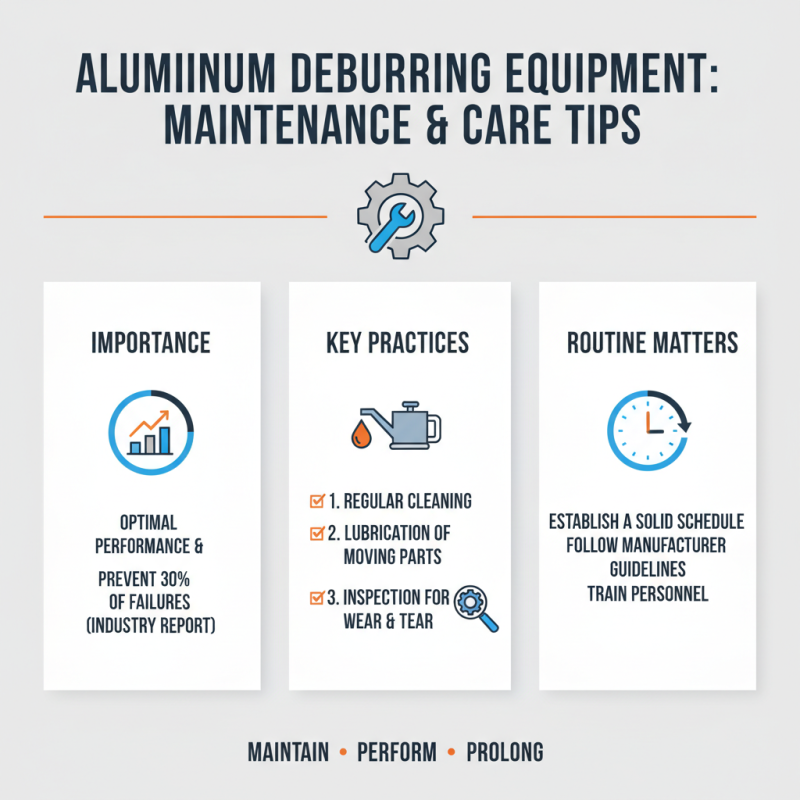
When choosing aluminum deburring machines, maintenance and care play a vital role in performance. Regular upkeep ensures optimal functionality and longevity of the equipment. According to industry reports, nearly 30% of machinery failures stem from inadequate maintenance. Therefore, it's crucial to establish a solid maintenance routine.
Tip: Always inspect your machine before use. Check for debris, wear, and tear. A clean working environment promotes better results. This simple step can drastically improve efficiency. Additionally, referring to the manufacturer’s guidelines for lubrication can enhance the operational life of your deburring equipment.
Another aspect to consider is regular training for operators. Inexperienced usage can lead to unnecessary wear. In a recent industry survey, 45% of operators reported challenges in handling machines effectively. Regular training sessions can mitigate these issues, leading to fewer errors.
Tip: Schedule monthly training refreshers. This small investment can yield huge dividends in productivity. Caution in operation not only protects your machinery but also ensures safety for workers. Always remain vigilant and proactive in your maintenance practices.