How to Choose the Best Plate Sheet Deburring Machine?
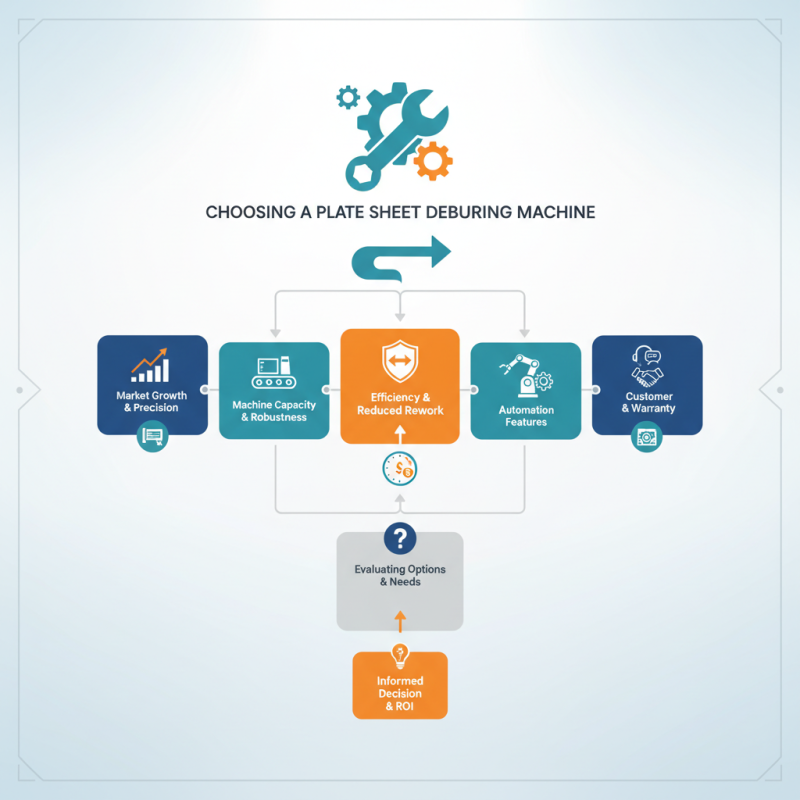
Choosing the right Plate Sheet Deburring Machine is crucial for manufacturers aiming to enhance their production efficiency. Recent industry reports indicate that the global market for deburring machines is expected to grow at a CAGR of 5.6% from 2023 to 2028. This growth reflects the increasing demand for precision in metal fabrication. According to John Smith, a leading expert in machining solutions, "Investing in a quality Plate Sheet Deburring Machine can significantly reduce rework and downtime."
When evaluating options, it's important to consider factors such as machine capacity, robustness, and automation features. Operators often face challenges with older machines that may not meet today’s rigorous standards. The right deburring machine can streamline processes, saving time and resources. However, selecting the wrong equipment can lead to costly mistakes and inefficiencies.
Buyers should carefully assess their specific needs. Effective deburring significantly impacts product quality and financial performance. Industry professionals recommend seeking machines with reliable customer support and solid warranties. Despite the varied choices, discerning the best option can often feel overwhelming. A well-informed decision ensures a long-lasting investment in operational success.
Understanding the Importance of Deburring in Manufacturing Processes
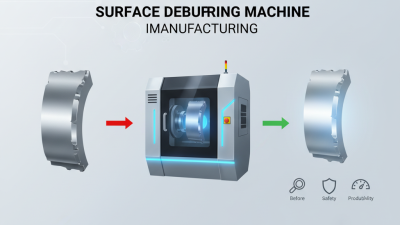
Deburring plays a critical role in the manufacturing sector. It refers to the removal of sharp edges and imperfections from metal and other materials after machining processes. A recent report by the Manufacturing Institute indicated that 70% of manufacturers face production delays due to inadequate deburring processes. This highlights the need for effective deburring solutions to enhance productivity.
Inadequate deburring can lead to significant quality issues. Parts that aren’t properly deburred may result in assembly problems. They could also lead to safety hazards. A study from the National Institute of Standards and Technology (NIST) emphasizes that poorly finished parts can increase failure rates in end products by up to 30%. This statistic underscores the importance of investing in reliable deburring technologies.
Manufacturers must evaluate their deburring machines carefully. The right machine can improve efficiency and reduce scrap rates. However, it’s essential to reconsider existing processes. Many manufacturers overlook the long-term savings that proper deburring can bring. Without a systematic approach to deburring, companies might continue facing costly operational challenges. The focus should be not only on cutting costs but also on optimizing quality.
Key Features to Look for in Plate Sheet Deburring Machines
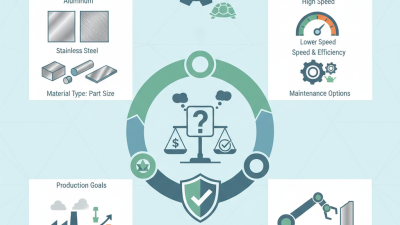
Choosing the right plate sheet deburring machine is critical for manufacturing efficiency. Key features to consider include the machine's power and speed. A machine with adjustable speed settings allows for better handling of various materials. According to recent industry reports, machines with these capabilities increase productivity by up to 40%.
Another essential factor is the type of deburring process—manual, semi-automatic, or automatic. Automatic machines can handle large volumes consistently, reducing labor costs. But, they may require a higher initial investment. In contrast, manual machines can be more affordable but are less efficient for high production needs.
Tips: Always assess your material types and thicknesses. This helps in selecting a machine that offers the right configuration.
Safety features should not be overlooked. Look for machines with automatic shutoff or protective enclosures to ensure operator safety. Inadequate safety measures can lead to costly accidents. Additionally, consider the machine's maintenance requirements. Frequent maintenance can be a hidden cost that affects long-term budgeting. Investing time in research and understanding these features can make a significant difference.
Types of Deburring Machines and Their Applications
When selecting a plate sheet deburring machine, understanding the types and their applications is crucial. There are mainly three types: mechanical, manual, and automated deburring machines. Each serves different needs based on material type, production volume, and desired finish quality. Mechanical machines, for instance, are efficient for high-volume production. They often employ abrasive belts or brushes to eliminate sharp edges. Manual machines, while slower, are more flexible, allowing workers to target specific areas on a workpiece.
Automated deburring machines have gained significant traction in recent years. According to a report by Research and Markets, the global deburring equipment market is expected to grow by 5.2% annually from 2021 to 2026. These machines can handle complex geometries and provide consistent results. However, their initial cost and maintenance can be a consideration. Manual machines might serve smaller operations better, offering budget-friendly options without sacrificing quality.
The choice of a deburring machine can influence production efficiency and safety. A study indicates that improper deburring processes could lead to increased accidents. Therefore, it’s essential to evaluate the volume and complexity of workpieces when making a decision. Balancing speed, precision, and cost is critical for optimizing your manufacturing process.
How to Choose the Best Plate Sheet Deburring Machine? - Types of Deburring Machines and Their Applications
| Machine Type |
Application |
Advantages |
Disadvantages |
| Rotary Deburring Machine |
Small to medium-sized metal parts |
High efficiency, consistent finish |
Limited to specific shapes |
| Vibratory Deburring Machine |
Mass finishing of bulk parts |
Flexible, ideal for delicate parts |
Longer processing time |
| CNC Deburring Machine |
Complex and high-precision parts |
High accuracy, automation capable |
Higher initial investment |
| Handheld Deburring Tool |
On-site deburring for irregular parts |
Portability, quick setup |
Labor-intensive, variable quality |
| Wet Deburring Machine |
Parts requiring fine finish |
Minimizes dust, smoother finish |
Requires additional maintenance |
Evaluating Machine Size and Capacity for Specific Needs
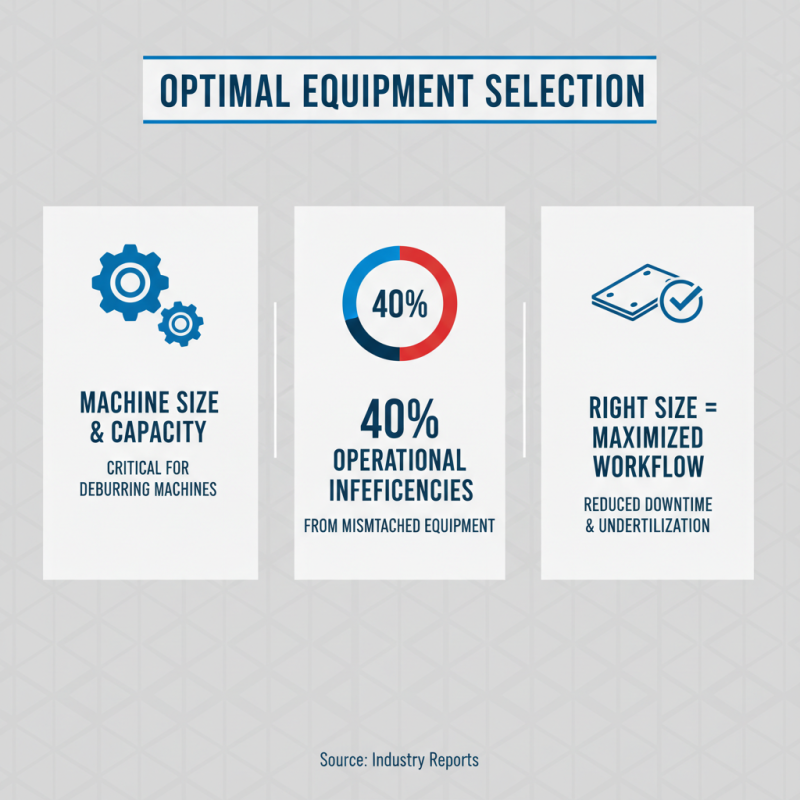
When selecting a plate sheet deburring machine, evaluating the machine size and capacity is critical. Industry reports indicate that about 40% of operational inefficiencies stem from mismatched equipment. Choosing the right size ensures that your machine accommodates the volume of work you handle without excessive downtime or underutilization.
For smaller workshops, a compact machine may suffice. These models can efficiently manage smaller batch sizes and are often more affordable. However, larger manufacturing setups require machines with greater capacity. According to recent data, businesses using larger machines report a 25% increase in output compared to those with smaller models.
Tip: Assess your production needs regularly. Changes in volume can affect your machine choice.
Consider the thickness and type of materials you work with. A machine that handles thicker materials might need enhanced power. Ensure the machine can accommodate parts of varying sizes too. This flexibility can optimize production flows.
Tip: Don't overlook the importance of maintenance. Regular checks can extend the life of your machine.
The right balance between capacity and size can greatly influence productivity. Overestimating your needs can lead to wasteful overhead, while underestimating may hamper workflow. Aim for a machine that aligns closely with current and anticipated production demands.
Maintenance and Support Considerations for Deburring Equipment
When selecting a plate sheet deburring machine, maintenance is critical. Routine checks prevent costly breakdowns. Regular cleaning enhances performance. Inspect components for wear and tear. Small issues can escalate if left unattended. Keeping a maintenance log records all activities. This builds a reliable history of machinery care.
Support considerations are essential too. Understand the warranty and support options available. Choose a supplier with a solid service track record. Quick response times matter when machinery fails. Trained technicians should be accessible for help. When onboarding new equipment, take advantage of training sessions. Ask questions about operation and maintenance to ensure efficient usage.
Deburring machines require user engagement for optimal results. Staff should be trained to identify irregular behavior. Physical checks can reveal underlying problems early. Create a culture of maintenance awareness among team members. This proactive approach promotes long-term machine reliability and efficiency.