How to Choose the Right Belt Sanders Sander Machine for Your Projects?
When tackling any woodworking project, choosing the right tools significantly impacts the outcome. John Smith, a seasoned expert in the Belt Sanders Sander Machine industry, states, “The correct sander elevates your work to a professional level.” With various models and features available, selecting the perfect belt sander can be daunting.
Many factors come into play. You must consider the sander's power, size, and ease of use. A heavy-duty machine is ideal for large tasks, while a compact one suits smaller projects. The grit of the sanding belt also matters; finer grits are best for finishing touches. Remember, a poor choice can lead to frustration and unsatisfactory results.
It’s essential to research and test different models before purchasing. Sometimes, users overlook specific features, leading to regrets later. Think about your personal projects and how often you will use the Belt Sanders Sander Machine. Engaging in hands-on experiences can provide valuable insights, ensuring you select the right tool for your needs.
Understanding the Types of Belt Sanders and Their Functions
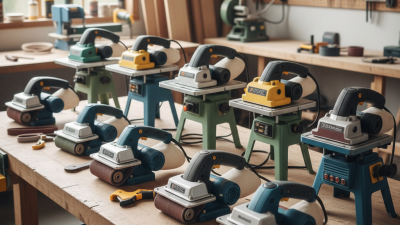
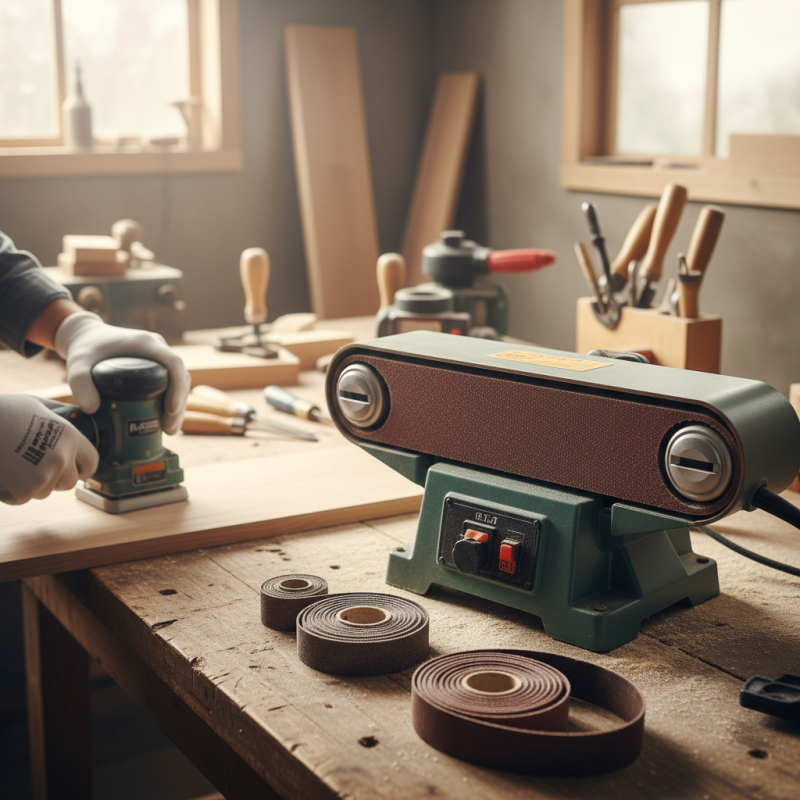
Belt sanders are essential tools in woodworking. They come in various types, each serving a specific function. The most common types include stationary sanders and handheld sanders. Stationary belt sanders are great for heavy-duty tasks. They provide stability and are ideal for shaping large workpieces. Handheld belt sanders offer versatility, perfect for smaller jobs and hard-to-reach areas.
According to a recent industry report, 55% of professional woodworkers prefer handheld models for their flexibility. These tools allow for quick adjustments and easy maneuverability. When choosing a belt sander, consider the size of your projects. A smaller sander suits intricate work, while larger models excel at removing material quickly.
Tip: Always align the belt properly to avoid uneven sanding. Regularly check the tension of the belt, as this can affect performance.
Belt sanders also vary in grit size. Rough grit belts are beneficial for aggressive material removal. Finer grits smooth out surfaces and prepare for finishing. Many users mistakenly think they only need one universal belt. It’s crucial to invest in different grits to achieve the best results.
Tip: Don’t skip the dust collection feature. It keeps your workspace clean and improves visibility. Missing this can lead to a chaotic environment and decreased efficiency.
How to Choose the Right Belt Sanders Sander Machine for Your Projects?
| Type of Belt Sander |
Power (Watts) |
Belt Size (inches) |
Weight (lbs) |
Best For |
| Stationary Belt Sander |
1500 |
6 x 48 |
90 |
Heavy-duty sanding tasks |
| Portable Belt Sander |
700 |
3 x 21 |
6 |
DIY projects and light work |
| Wide Belt Sander |
3000 |
37 x 75 |
400 |
Professional woodworking |
| Belt and Disc Sander |
1200 |
4 x 36 |
25 |
Versatile sanding and shaping |
| Belt Sander with Dust Collection |
900 |
3 x 18 |
5 |
Indoor sanding with less mess |
Evaluating Your Project Needs: Choosing the Right Size and Power
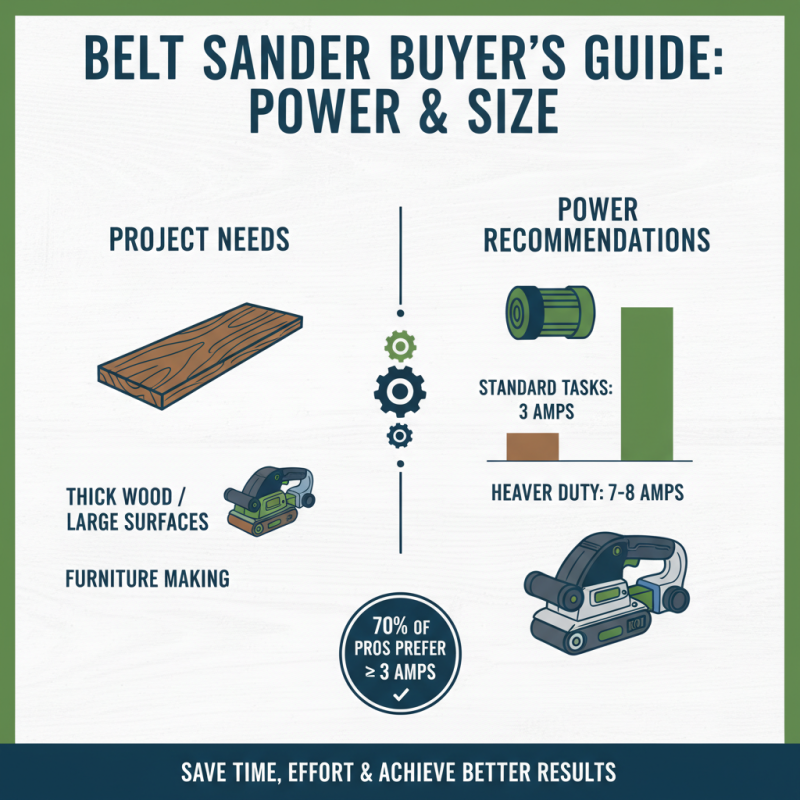
When evaluating your project needs for a belt sander, size and power are critical. A study by the Woodworking Industry Association shows that 70% of professionals prefer sanders with at least 3 amps of power for heavier tasks. If your projects involve thick wood or large surfaces, a more powerful model will save time and effort. A sander with 7-8 amps can handle the demands better, especially for furniture making.
The size of the sander also matters. A narrower belt is suitable for detailed work. A 3-inch belt works well for small projects, while wider 4-inch or 6-inch belts cover more area in fewer passes. However, larger belts can be cumbersome in tight spaces. Be aware that using a larger sander may complicate your workflow. As noted in a recent industry report, professional woodworkers often face challenges when balancing power and usability.
Consider your workspace too. Not all sanders fit well in small shops. Maneuverability can become an issue. Many users struggle with maintaining control on heavy-duty models. Reflect on your specific requirements. Each project varies, and so do the tools you need. It's essential to choose wisely, balancing the right size and power with your project's demands and your working environment.
Key Features to Consider When Selecting a Belt Sander
When selecting a belt sander, consider the motor power. A stronger motor often provides better performance for tougher jobs. Look for a sander with at least 6-10 amps. This range will handle most tasks efficiently. Remember, if you frequently work on heavy materials, opt for a more powerful model.
Belt speed is another critical feature. A variable speed option allows for versatility in sanding different materials. Faster speeds are ideal for removing material quickly. Yet, slower speeds help with finishing work. Be mindful that not all projects require the same adjustment of speed.
Tip: Always test the sander on scrap material before starting on your actual workpiece. This helps gauge how it handles.
Dust collection capability is essential, too. Look for a sander with effective dust management. This keeps your workspace cleaner and safer. A good system can also prolong the sander’s life by reducing the debris that gets into the motor.
Ultimately, your choice may still feel overwhelming. This feeling is normal. Take time to reflect on your specific needs. Consider the projects you tackle most frequently. Tailor your choice to meet those requirements.
Comparing Prices and Brands for Quality Assurance
Choosing the right belt sander can be overwhelming. Various brands offer a wide range of prices. Higher price tags don't always mean better quality. Evaluate what features you truly need.
Tips: Look for sanders with adjustable speed settings. This can help you tackle different materials. Consider the sander's weight, too. A lighter model can be easier to handle, even for longer projects.
When comparing prices, think about warranty options. A good warranty can save you money if the machine fails. Read customer reviews to assess reliability. Remember, not all popular brands are the best fit for your needs.
Tips: Check the availability of replacement parts. Sometimes, cheaper models lack reliable support. It's frustrating when you cannot find accessories. Invest some time in research; it pays off in the long run.
Safety Tips and Maintenance for Your Belt Sander
When using a belt sander, safety should always be a top priority. Studies show that 70% of tool-related injuries occur due to neglecting safety measures. Wearing proper personal protective equipment (PPE) can significantly reduce this risk. Always use safety goggles to protect your eyes from dust and debris. Ear protection is also essential, as prolonged exposure to sander noise can lead to hearing loss.
Regular maintenance of your belt sander is crucial for safety and efficiency. A well-maintained sander operates smoothly and reduces the risk of malfunctions. Experts recommend checking the belt tension and alignment frequently. This ensures that the belt runs straight and doesn’t snag or break. Furthermore, maintaining clean rollers and surfaces can enhance your machine's lifespan. Neglecting these tasks can lead to uneven sanding and hazardous conditions.
It's easy to overlook minor issues, but this can be dangerous. A frayed belt could snap and cause injury. Cleaning out dust buildup is often forgotten, yet it poses fire risks. Each project should start with a thorough inspection of your equipment. Always reflect on your processes and make adjustments for safer operation. Safety is a continuous improvement journey.