10 Essential Tips for Using Chamfer Machines Effectively?
Chamfer Machines play a critical role in modern manufacturing. They enhance the efficiency of edge preparation and improve the overall quality of components. However, many operators overlook essential tips that can optimize their usage.
Understanding the various features of Chamfer Machines can make a significant difference. Each machine has its unique settings and capabilities. Ignoring them may lead to subpar results. Small adjustments often yield better finishes and reduce rework.
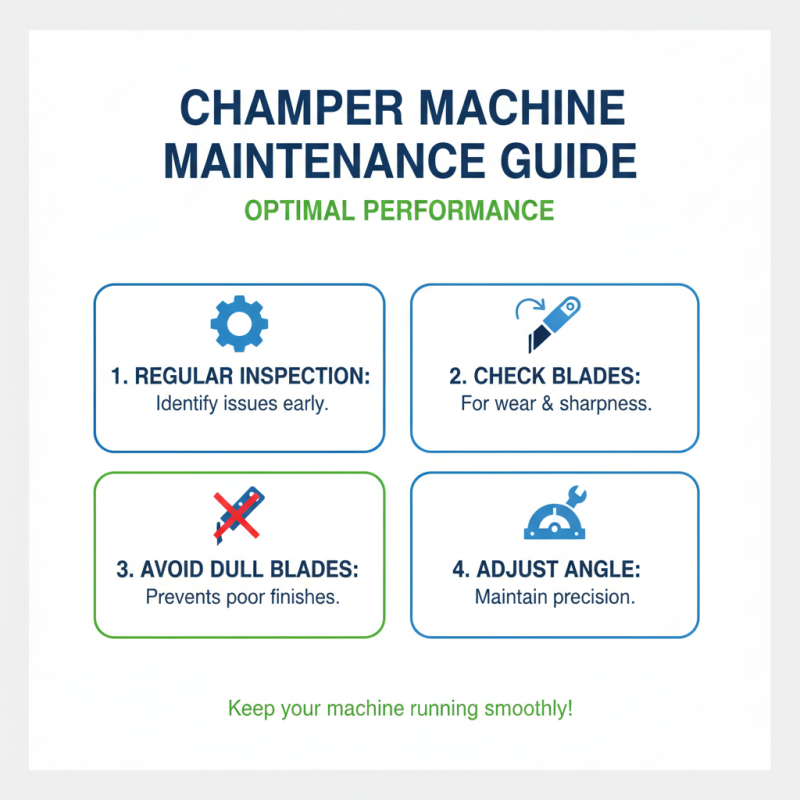
Maintenance is crucial for peak performance. Regular inspection and cleaning can prevent costly downtime. Operators should not underestimate the importance of proper training. Misunderstanding machine operation can lead to mistakes. Such oversights could damage materials or compromise safety. Emphasizing attention to detail can spur productivity and quality in the long run.
Understanding Chamfer Machines: Types and Functions
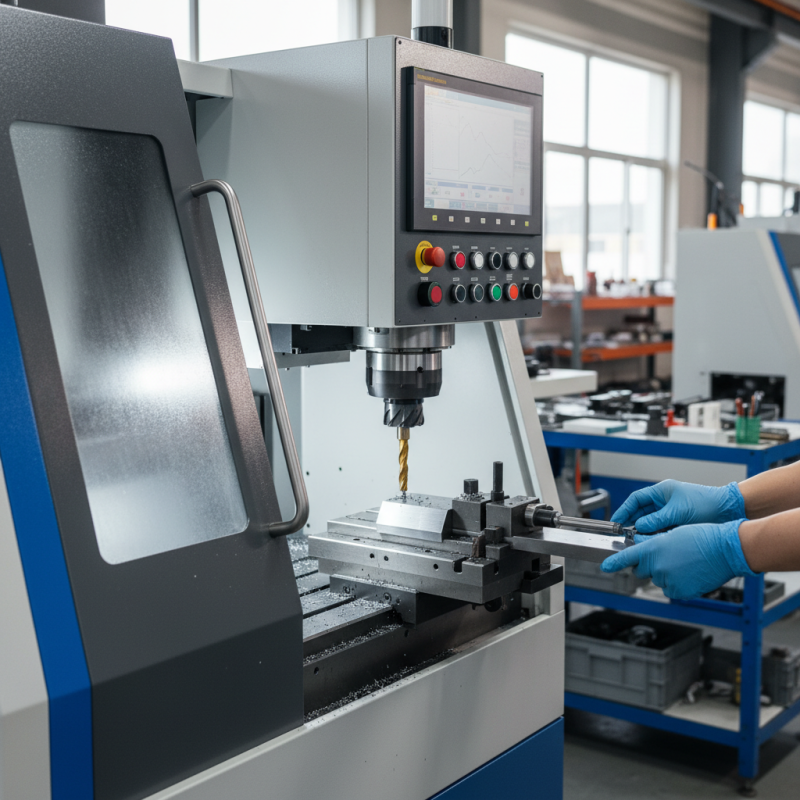
Chamfer machines are valuable tools in the manufacturing sector. They are primarily used for
finishing edges of components. Understanding the various types of chamfer machines is essential for optimizing their use.
Common types include manual, automated, and
CNC chamfering machines. Each type has unique applications and production capabilities.
According to a report from Industry Research, the global chamfering machines market is projected to grow significantly.
The rise is attributed to an increase in demand for precision engineering components. The report indicates that
automated machines are becoming increasingly popular. These machines enhance consistency and reduce human errors in production.
However, not all operators are trained appropriately, which can lead to mistakes.
Effective usage of chamfer machines requires ongoing training and awareness of their functions. Users often overlook
maintenance tasks, which are crucial for longevity. Additionally, understanding the limitations of each machine type is vital.
Blindly pushing a machine beyond its capabilities can result in quality degradation. Regular feedback and adjustments ensure smoother operations,
but many professionals neglect this aspect.
Preparation Steps Before Operating a Chamfer Machine
Operating a chamfer machine demands thorough preparation. Review the machine manual carefully. Familiarize yourself with its components and functions. Understanding the specifications of the machine can prevent potential accidents. According to industry reports, improper setup can cause defects in chamfering, leading to costly waste.
Ensure you have the right tools ready before operation. Check the machine's calibration. A well-calibrated machine enhances precision. Studies indicate that a well-prepared workspace can improve operational efficiency by up to 25%. Inspect the materials you will be working with. Look for any surface imperfections that could affect the outcome.
Safety must be a priority. Always wear appropriate protective gear. This is crucial for your well-being. Often, operators overlook safety protocols. A small mistake can result in severe injuries. Reflecting on past accidents, many were preventable through proper preparation. Ignoring these steps can have significant repercussions in both safety and productivity.
10 Essential Tips for Using Chamfer Machines Effectively
| Tip |
Description |
Importance Level |
| Understand the Machine |
Familiarize yourself with the chamfer machine's features and capabilities. |
High |
| Safety First |
Always wear appropriate safety gear when operating the machine. |
High |
| Correct Tooling |
Choose the right tools and settings for the material being machined. |
Medium |
| Check Calibration |
Ensure the machine is properly calibrated for accurate results. |
High |
| Material Preparation |
Clean and prepare materials to avoid defects during the process. |
Medium |
| Maintain a Steady Feed Rate |
Keep a consistent feed rate to ensure an even chamfer angle. |
Medium |
| Perform Regular Maintenance |
Regularly check and maintain the machine for optimal performance. |
High |
| Use Proper Cooling |
Apply cooling lubricants to extend tool life and prevent overheating. |
Medium |
| Test Cuts |
Perform test cuts to ensure settings are correct before full production. |
High |
| Document Processes |
Keep records of settings and processes for future reference and training. |
Medium |
Safety Precautions to Follow While Using Chamfer Machines
When using chamfer machines, safety should be a top priority. Always wear appropriate personal protective equipment. This includes safety goggles and gloves to protect against sharp edges. Make sure to use ear protection, as machines can be quite loud. A hard hat is also recommended if there's a risk of falling objects in your workspace. These precautions can prevent serious injuries.
Check your workspace for hazards before you begin. Ensure that the area is clean and free from clutter. Loose materials can cause accidents. It’s also vital to keep the machine well-maintained. Regular inspections can help find faults. However, if a machine malfunctions, it’s important not to ignore the signs. Stop using it until problems are resolved. Remember, rushing can lead to mistakes.
Understanding the machine's features is essential but easier said than done. Operators should read the manual carefully. Many overlook this step, leading to misuse. Note that training is crucial. Even experienced operators must refresh their skills. Seek guidance before attempting complex tasks. It’s better to be cautious than to face injuries or damage. This attention to detail can save time and promote a safer work environment.
Techniques for Achieving Accurate Chamfering Results
When utilizing chamfer machines, achieving precise results is crucial. Accurate chamfering can enhance product performance and aesthetics. According to industry studies, precise chamfering reduces the risk of stress concentration in machined parts, leading to a 25% increase in durability. Thus, mastering the techniques is vital for success.
One key technique is to ensure proper setup. Verify the machine's alignment before starting. A misaligned machine can lead to inconsistent results. This often requires recalibration, which can waste time and resources. Regular maintenance of the machine can prevent these issues. Ensure tools are sharp and clean to achieve clean edges. Dull tools can distort results, and the parts may not meet specifications.
Additionally, different materials require distinct chamfering techniques. For dense materials, a slower feed rate is advisable. This allows for better material removal without damaging the surface. In contrast, lighter materials can benefit from faster speeds. Be mindful; rushing may lead to errors. Taking the time to adjust settings according to the material prevents rework and ensures accuracy. Always assess your results continuously. Reflection on your process can lead to improvements in your chamfering techniques.