Why You Need a Surface Deburring Machine for Your Manufacturing Process?
In modern manufacturing, precision is paramount. One of the key components in achieving this precision is the Surface Deburring Machine. This machine plays a crucial role in ensuring that finished products are free of sharp edges and imperfections. Without it, you risk compromising quality and safety.
Every manufacturing process generates burrs. These unwanted protrusions can affect performance, aesthetics, and safety. A Surface Deburring Machine efficiently removes these burrs, enhancing product integrity. However, it's essential to choose the right machine for your specific needs. Not all machines perform the same. Some may leave behind traces, causing future issues.
Reflecting on your processes can reveal areas for improvement. Are you currently using manual methods? If so, consider the inefficiency and inconsistency that comes with them. Investing in a Surface Deburring Machine might just be the solution to elevate your manufacturing standards. Such machines are not merely tools; they are game-changers in productivity and quality assurance.
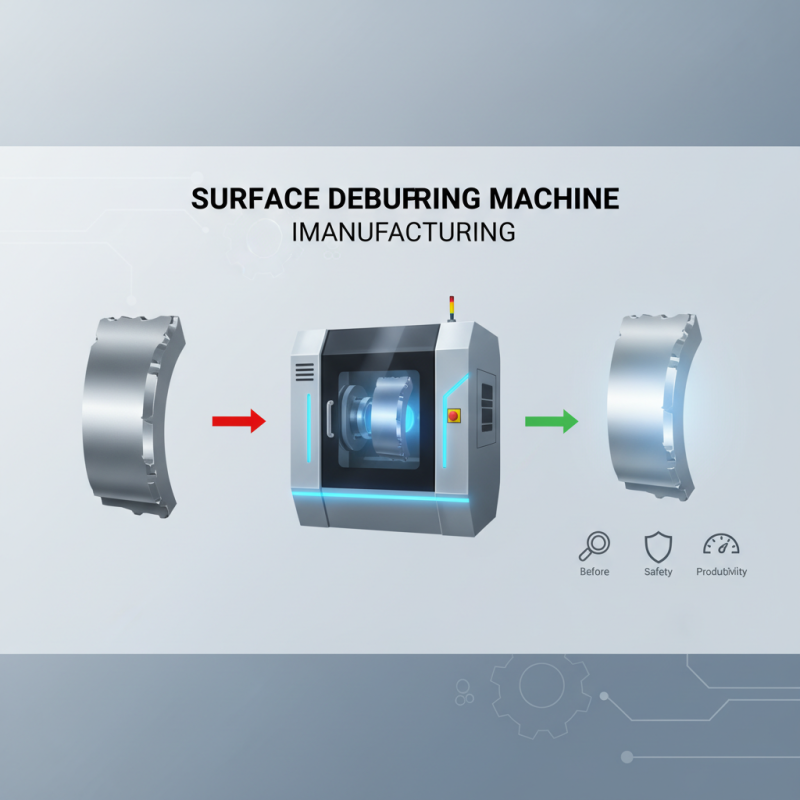
Importance of Surface Deburring in Manufacturing Processes
Surface deburring is a critical aspect of manufacturing. The process removes sharp edges and burrs from machined parts. Without it, products can be unsafe to handle. Workers may cut themselves on jagged edges. This could lead to workplace injuries and potential lawsuits.
In addition to safety, surface deburring improves product quality. A smooth surface enhances the finishing process. It ensures better adhesion for paints or coatings. This leads to a more aesthetically pleasing final product. However, not every manufacturer prioritizes deburring. Skipping this step can result in defects. These defects may only become apparent after products hit the market.
Time and resources are vital in manufacturing. Some might argue that deburring is an extra step. Yet, overlooking it can lead to costly revisions. A laser focus on detail during production can save time. Investing in a surface deburring machine can improve efficiency. Workers can produce better-quality parts with less risk of rework.
Importance of Surface Deburring in Manufacturing Processes
Understanding the Functionality of Surface Deburring Machines
Surface deburring machines play a crucial role in manufacturing. They remove sharp edges and burrs from machined parts. This improves safety and product quality. Studies show that deburring can reduce manufacturing defects by up to 30%. A clean finish ensures better assembly and performance.
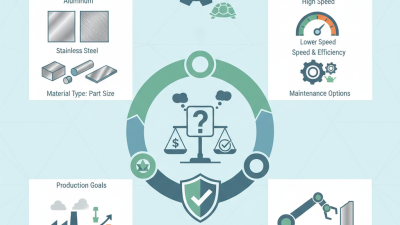
Investing in a proper deburring machine can streamline operations. Some machines use abrasive tools, while others rely on chemical processes. The choice depends on the material and part complexity. It's essential to analyze your manufacturing needs before deciding. Consider the trade-offs between speed and quality.
Tips: Regular maintenance of your deburring machines is key. Neglected equipment can lead to uneven finishes and increased costs. Monitor the wear on abrasive materials closely. A small oversight can result in significant rework. Reflect on your current process and identify areas for potential improvement.
Types of Surface Deburring Machines and Their Applications
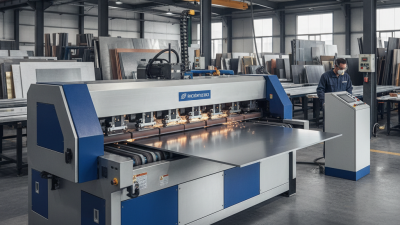
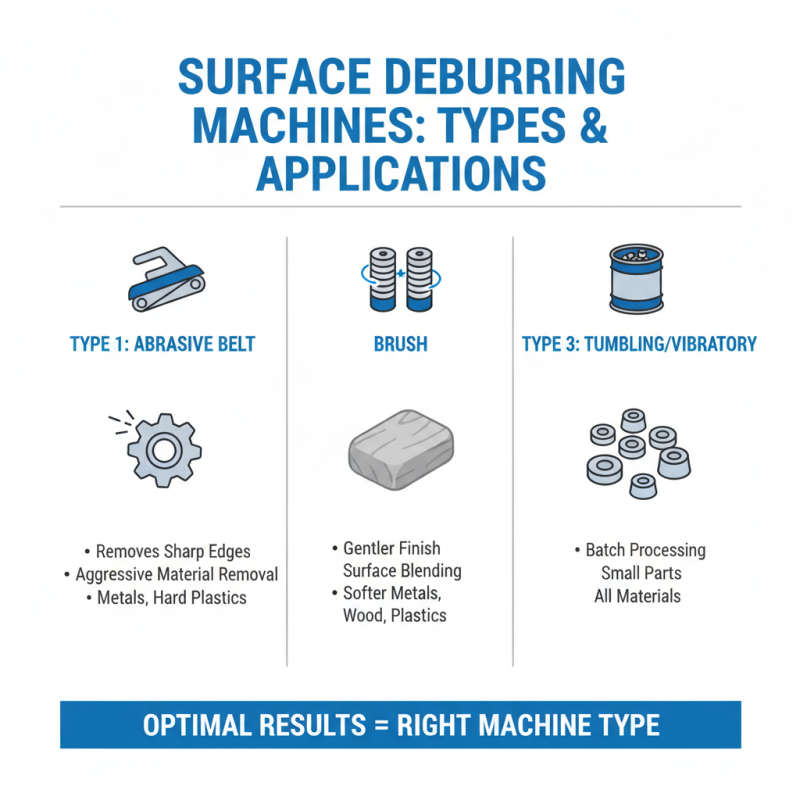
Surface deburring machines come in various types, each tailored for specific applications. Some machines use abrasive belts to remove sharp edges, while others employ brushes for a gentler finish. These machines can process metal, plastic, and wood surfaces. Knowing the right type is crucial for optimal results.
Abrasive belt deburring machines work best for high-volume production. They offer consistency and speed, which are essential in a fast-paced environment. In contrast, rotary brush machines provide a more delicate touch, suitable for smaller, intricate pieces. The choice often depends on the material and the desired surface finish.
However, selecting the right machine can be challenging. Many manufacturers struggle with balancing efficiency and quality. Not every choice will fit all production needs. It requires reflection on both current processes and future goals to find the best solution. Investing time in understanding these machines can significantly enhance the overall manufacturing process.
Benefits of Integrating Deburring Machines into Production Lines
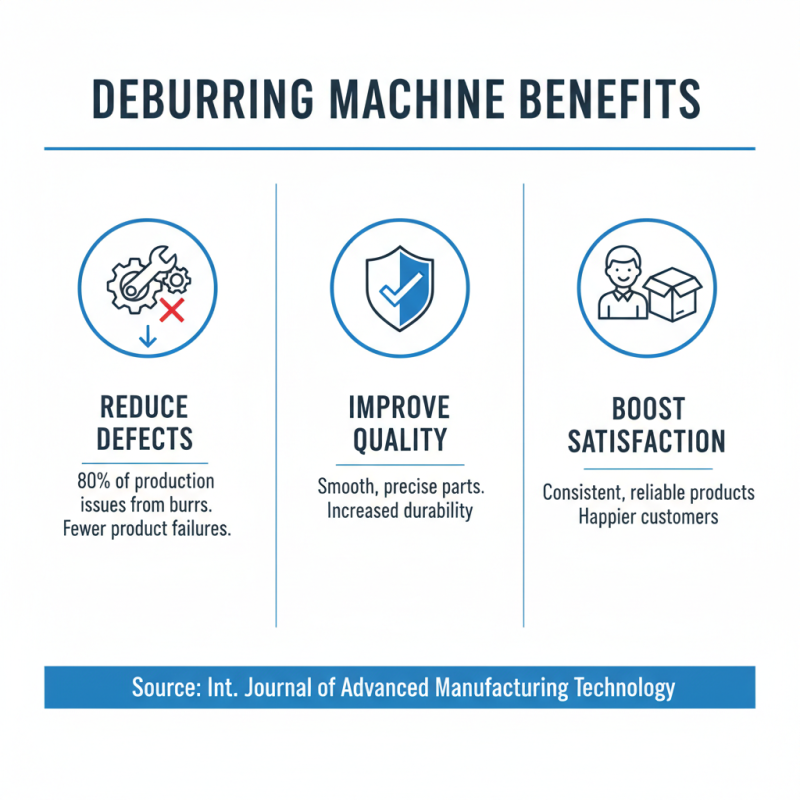
Integrating deburring machines into manufacturing processes can yield significant benefits. According to a report by the International Journal of Advanced Manufacturing Technology, about 80% of production defects stem from burrs and sharp edges on metal parts. These imperfections can lead to costly product failures and decreased customer satisfaction. Using a deburring machine can greatly reduce such risks, enhancing product quality and consistency.
Automation of deburring also increases efficiency. A well-implemented system can decrease processing time by nearly 30%, according to data from the Manufacturing Institute. Workers spend less time on manual deburring. This enables them to focus on more complex tasks, thereby improving overall productivity. However, not every facility has fully embraced this technology. Some manufacturers still rely on manual methods, which can be error-prone and labor-intensive.
Proper integration can be challenging. Workers might resist change due to unfamiliarity with new machines. Training and support are essential. As more companies adopt deburring machines, industry standards are likely to shift, pushing those who lag behind to reflect on their processes. Embracing this technology is not just a trend; it’s becoming a necessity for competitive manufacturing.
Cost-Effectiveness and Return on Investment of Deburring Machines
Investing in a surface deburring machine can greatly enhance manufacturing processes. These machines improve product quality by smoothing sharp edges on metal components. A smooth finish not only enhances safety but also improves assembly efficiency. When parts fit together better, the overall workflow becomes streamlined.
Cost-effectiveness is a vital factor. A deburring machine can reduce labor costs significantly. Manual deburring is time-consuming and error-prone. Workers may overlook imperfections, leading to costly rework. In contrast, machines offer consistent results, ensuring each piece meets quality standards. This consistency translates to fewer returns and higher customer satisfaction.
Many manufacturers hesitate due to initial investment costs. However, the return on investment can be substantial. Over time, savings from reduced labor and waste accumulate. Moreover, better quality products can command higher prices. As manufacturers reflect on these factors, the benefits of a deburring machine become clearer and more enticing. Consider the long-term gains versus short-term expenses.