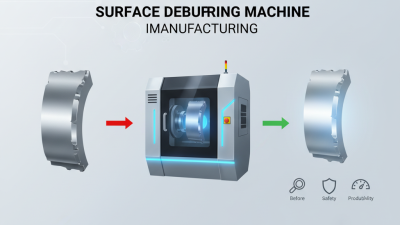
Top Copper Deburring Machines for Global Buyers in 2026?
In the rapidly evolving landscape of metalworking, the demand for efficient tools continues to rise. The "Copper Deburring Machine" is essential for ensuring the precision and quality of copper components. According to a recent industry report by MarketsandMarkets, the global market for deburring machines is projected to reach $1.5 billion by 2026, reflecting a CAGR of 6.8%. As manufacturers strive for excellence, these machines play a critical role.
Expert insights from Dr. Eleanor Reed, a leading authority in machining technologies, emphasize the importance of investing in quality deburring solutions. She states, "Investing in advanced Copper Deburring Machines significantly reduces production time and enhances product reliability." These machines provide solutions to a common challenge: the removal of sharp edges and metal burrs that can compromise product integrity.
However, not all machines are created equal. Some may struggle with specific alloys or intricate designs, highlighting the need for ongoing evaluation. This reflection urges buyers to carefully assess their requirements before making a purchase. The future of Copper Deburring Machines is bright, but careful consideration is crucial for optimal investment decisions.
Overview of Deburring Process and Its Importance in Copper Production
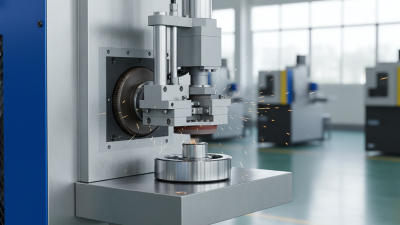
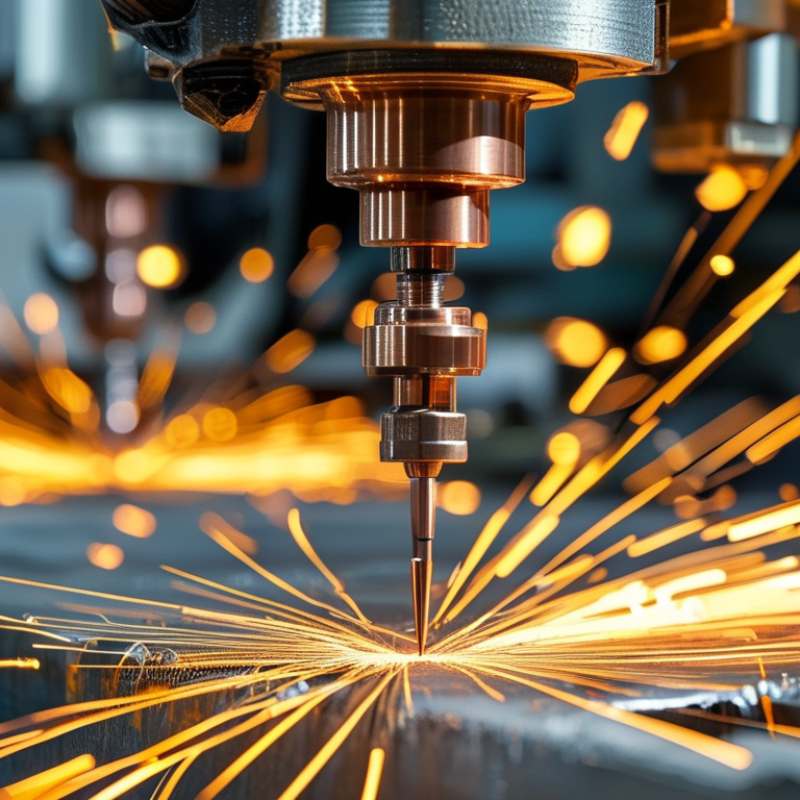
The deburring process is critical in copper production. It involves removing sharp edges and burrs from copper parts. These imperfections can lead to safety hazards and poor product performance. A well-executed deburring process ensures that copper components fit together smoothly. Additionally, it enhances the overall aesthetic quality of the final products.
Tips: Always inspect the copper parts for burrs after machining. Even small burrs can affect assembly. Consider the use of automated deburring machines. They can save time and improve consistency in the manufacturing process. However, selecting the right machine requires careful thought about your specific needs.
Understanding the {importance of deburring is essential. In copper applications, precision is everything. Improperly deburred components may experience wear faster. This could lead to increased operational costs. Investing in effective deburring solutions might seem like a struggle at first. Yet, the long-term benefits often outweigh the initial challenges, making it worth the effort.
Criteria for Selecting the Best Copper Deburring Machines
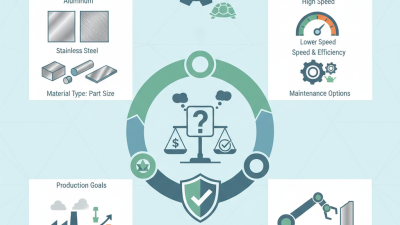
When selecting a copper deburring machine, several key criteria come into play. Speed and efficiency are crucial. A machine that can swiftly remove burrs while maintaining precision enhances productivity. Look for models that offer adjustable speeds to match various project requirements.
Additionally, consider the machine’s design and ease of use. Operators should be comfortable with controls and setup. Machines with intuitive interfaces reduce training time and operational errors. Durability is another essential factor. A robust build ensures longevity and reliability in high-volume environments.
Lastly, maintenance requirements should not be overlooked. Some machines may demand frequent servicing, which could disrupt workflow. Prioritize models designed for easy maintenance to minimize downtime. Reflecting on these aspects will aid in making an informed decision. Each project can present unique challenges, and the right choice can make a significant difference in outcome quality and efficiency.
Top Copper Deburring Machines for Global Buyers in 2026
| Model |
Deburring Type |
Max Sheet Thickness (mm) |
Working Speed (m/min) |
Power Consumption (kW) |
Weight (kg) |
Price Range (USD) |
| Model A |
Mechanical |
3 |
10 |
5 |
150 |
2000-2500 |
| Model B |
Chemical |
5 |
12 |
4 |
120 |
3000-3500 |
| Model C |
Manual |
2 |
8 |
2 |
80 |
800-1200 |
| Model D |
Automatic |
4 |
15 |
6 |
200 |
4000-4500 |
| Model E |
Brush |
3 |
10 |
3.5 |
100 |
1500-1800 |
Top Manufacturers of Copper Deburring Machines for Global Buyers
The global market for copper deburring machines is evolving rapidly. Manufacturers focus on delivering innovative solutions tailored to industry needs. Key factors include precision, efficiency, and durability. It’s crucial for buyers to explore various options and understand their specific requirements.
Leading manufacturers invest heavily in research and develop advanced technologies. They prioritize creating machines that enhance productivity while ensuring safety. However, not all machines fulfill their promises. Users often report inconsistencies in performance among different models. This can lead to frustration during production processes.
Buyers should prioritize reliability and customer support when making a choice. Engaging with industry experts can provide insights into performance metrics. It’s also beneficial to read user reviews. Doing so helps identify potential weaknesses in machines. The right choice hinges on informed decision-making rather than just brand reputation.
Technological Innovations in Copper Deburring Machines by 2026
Technological innovations in copper deburring machines are expected to revolutionize the industry by 2026. As demand for precision and efficiency rises, manufacturers are focusing on advanced technology to enhance performance.
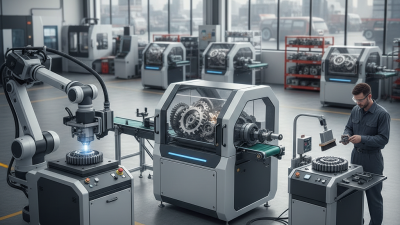
Automation, for instance, is becoming a standard feature. This reduces human error and ensures consistency in production.
Laser deburring methods are gaining traction. They offer high precision and lower operational costs. However, these technologies come with a learning curve. Workers need training to adapt to new systems. It’s crucial to invest in skill development alongside these innovations.
Tips: Always assess your specific needs before investing. Not every advanced machine suits every operation. Consider factors like your production volume and desired finish quality.
Regular maintenance is also essential. A well-maintained machine performs better, extending its lifespan and reducing delays. Innovations offer great potential, but reflection on practical application is necessary for success.
Market Trends and Projections for Copper Deburring Equipment Worldwide
As the global demand for precision manufacturing rises, the market for copper deburring equipment is evolving. In 2026, buyers are expected to focus on machines that enhance efficiency and reduce operational costs. Buyers favor models that employ advanced technology for better deburring outcomes. The emphasis will shift towards environmentally friendly solutions, making eco-conscious choices essential in purchasing decisions.
Projections indicate a growing shift toward automation and smart features. Machines with AI integrations can analyze and adapt to varying workloads. This versatility attracts manufacturers aiming to optimize production. However, the need for technical support and training remains a challenge for many buyers. Companies must invest in workforce education to fully utilize these advancements.
Market trends show a push for customization. While some manufacturers offer tailored solutions, not all needs can be met. There’s a critical need for thorough research to match the right machine to specific production requirements. Buyers must navigate this complexity with awareness, understanding that perfect solutions are rare in a changing landscape.