What is an Aluminum Plate Sanding Machine?
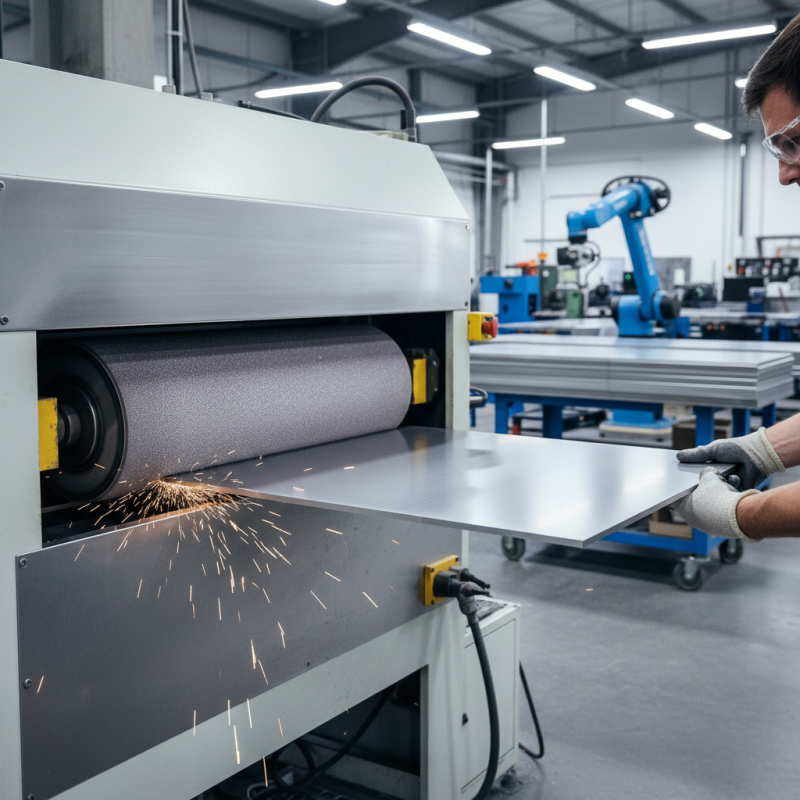
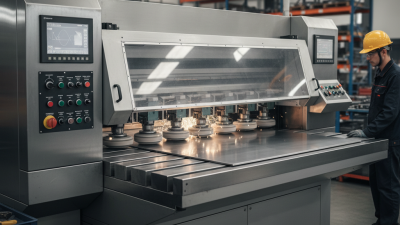
The Aluminum Plate Sanding Machine is a vital tool in metalworking. It is designed to smooth and refine the surface of aluminum plates, enhancing their finish. Understanding its functionality is crucial for achieving high-quality results in various applications.
This machine utilizes abrasive materials to shave off rough edges. Users should be aware of proper operation techniques and safety measures. An improperly used Aluminum Plate Sanding Machine can lead to mistakes and material waste.
In the ever-evolving manufacturing landscape, selecting the right sanding machine is essential. Users must weigh their choices carefully, finding machines that suit their specific needs. Investing in a reliable Aluminum Plate Sanding Machine can greatly improve product quality.
Definition and Functionality of Aluminum Plate Sanding Machines
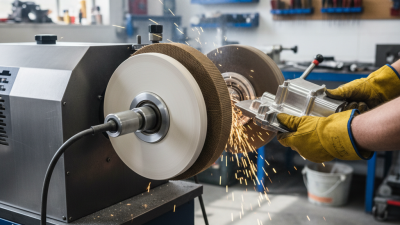
Aluminum plate sanding machines are specialized tools designed for finishing aluminum surfaces. They play a crucial role in the manufacturing industry, especially in sectors that require high precision and quality. These machines use sanding belts or discs to smooth out rough edges, remove burrs, and prepare surfaces for further processing. According to market analysis, the global aluminum processing equipment market is expected to reach $7.15 billion by 2027, highlighting the importance of such machinery.
The functionality of these machines extends beyond mere aesthetics. Smooth surfaces enhance the adhesion of coatings and paints, leading to more durable finishes. A report from the International Aluminium Institute indicates that 70% of all aluminum products require some form of finishing, underscoring the necessity for efficient sanding machines. However, operators often face challenges in achieving uniform results. Variability in materials and operator skill levels can lead to inconsistencies in surface quality, prompting the need for enhanced training and better machine calibration.
Moreover, the use of aluminum plate sanding machines also brings its challenges. These machines can generate significant amounts of dust and noise, raising concerns about workplace safety. Proper ventilation and personal protective equipment are vital to mitigate health risks. Studies suggest that nearly 30% of workshop accidents are related to improper machine usage. Addressing these issues is crucial in improving operational efficiency and worker safety, urging companies to revisit their training protocols and safety standards.
Aluminum Plate Sanding Machine Efficiency Analysis
This chart illustrates the efficiency metrics of aluminum plate sanding machines, showing the relationship between speed, power consumption, surface finish quality, and dust generation. Understanding these metrics helps in optimizing the performance of the sanding process.
Key Components and Their Roles in Aluminum Plate Sanding
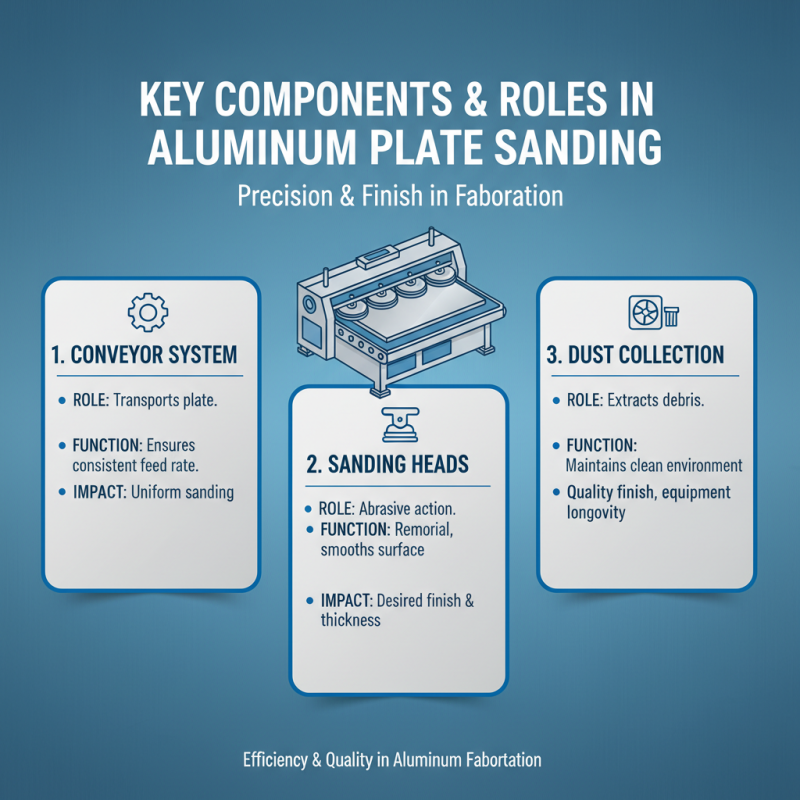
An aluminum plate sanding machine is vital in the fabrication industry. It modifies aluminum sheets to precise specifications while ensuring a smooth finish. Key components play crucial roles in the efficiency and quality of the sanding process.
The sanding belt is essential. It comes in various grits, matching different finishing needs. Grits range from coarse for heavy material removal to fine for polishing. A high-quality sanding belt ensures not only efficiency but also longevity, impacting operational costs. Dust collection systems are equally important. They keep the workspace clean and mitigate health risks, as airborne aluminum particles can pose long-term damage to workers.
Tips: Regularly check the sanding belt for wear. Replace it when necessary to maintain a high-quality finish. Adjusting the machine speed can also impact the final product. Too fast may cause damage, while too slow can leave imperfections.
Pressure rollers assist in maintaining consistent contact with the workpiece. This consistent pressure prevents uneven sanding, thereby enhancing the final finish. Operators must monitor the performance of these rollers. A malfunction can lead to significant errors, implying a need for routine maintenance checks. In the quest for precision, investing in quality components saves time and resources.
Types of Aluminum Plate Sanding Machines Available on the Market
Aluminum plate sanding machines come in various types, each catering to different needs. Some options include manual sanders, powered belt sanders, and spindle sanders. Manual sanders require physical effort and skill but offer precision for small projects.
Powered belt sanders are ideal for larger areas, providing speed and efficiency. These machines can handle thick aluminum plates with ease.
Spindle sanders are another popular choice, particularly for intricate designs. They allow for detailed sanding in tight corners. Each type has its advantages. However, users should consider their specific requirements before making a purchase. Not all machines are suited for every task. It's vital to assess the thickness of the aluminum and the desired finish.
Potential buyers may face challenges in choosing the right machine. Misjudging the power needed could lead to frustration. It's crucial to research and consult with experts. Many users find themselves wishing they had sought more guidance initially. Ensuring the correct tool for the job can save time and improve the outcome significantly.
Benefits of Using an Aluminum Plate Sanding Machine for Manufacturing
Aluminum plate sanding machines play a crucial role in manufacturing. They help achieve precise finishes on aluminum surfaces. This leads to better aesthetics and improved functionality. The machines are designed to remove imperfections effectively. Smooth surfaces can enhance adhesion in coatings and paints.
Using an aluminum plate sanding machine brings several advantages. It increases production efficiency with reduced manual efforts. Workers can focus on complex tasks while machines handle the tedious sanding work. Consistency is another major benefit; machines deliver uniform results. This ensures that every piece has the same quality, reducing waste.
However, the learning curve for operating these machines can be steep. Employees may require training to understand the best practices. Correct usage is essential to avoid damaging the aluminum plates. Regular maintenance is also vital to ensure optimal performance. Considering these factors is important for businesses investing in this technology.
Maintenance Tips for Optimal Performance of Sanding Machines
Aluminum plate sanding machines are essential in various industries, particularly in manufacturing and metalworking. Regular maintenance extends their lifespan and optimizes performance. According to recent industry reports, neglecting machine upkeep can lead to a 30% decrease in efficiency.
One vital tip is to frequently check abrasive belts and disks. Worn-out abrasives result in poor finishes. Replace them periodically to maintain consistent quality. Additionally, ensure that the sanding machine is clean after each use. Dust accumulation can cause overheating, which may lead to mechanical issues.
Lubrication is critical too. Use appropriate lubricants on moving parts to reduce wear and tear. Over time, it becomes challenging to determine the optimal maintenance frequency. According to industry experts, a routine inspection every few weeks is advised. Keep a record of maintenance actions to identify patterns; this can prevent unexpected breakdowns. Ensure all parts are aligned correctly. Misalignment can cause uneven sanding and increase wear on components.
What is an Aluminum Plate Sanding Machine? - Maintenance Tips for Optimal Performance of Sanding Machines
| Feature |
Description |
Maintenance Tips |
| Sanding Capability |
Designed for smoothing and finishing aluminum plates. |
Regularly check and replace sanding pads when worn. |
| Motor Type |
Powered by a high-performance electric motor. |
Ensure proper lubrication of motor components every 6 months. |
| Dust Extraction |
Equipped with a dust collection system to minimize debris. |
Clean dust bags and filters frequently to maintain suction efficiency. |
| Adjustability |
Features adjustable speed settings for various applications. |
Test and calibrate speed settings regularly to ensure accuracy. |
| Control System |
User-friendly controls for easy operation. |
Inspect wiring and control panels for wear and tear periodically. |