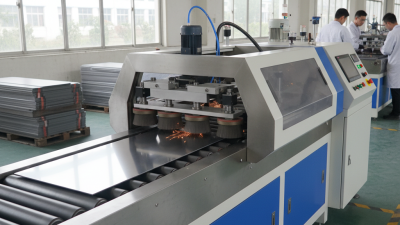
Top Belt Sanders Sander Machine Features and Benefits for Woodworking?
Belt Sanders Sander Machines have become essential tools in woodworking. Their efficiency and versatility are key in shaping and smoothing materials. According to the Woodworking Industry Association, over 75% of craftspersons rely on these machines for precision work. Expert John Houghton states, "The right sander not only saves time but enhances the quality of the finish."
Despite their advantages, selecting the right Belt Sanders Sander Machine can be challenging. Factors like belt speed, size, and weight matter significantly. Each feature impacts performance and usability, and the wrong choice can lead to unsatisfactory results. Many users find themselves frustrated by mistakes that could have been avoided with proper knowledge.
Continuous innovation in sander technology has brought improvements, but imperfections remain. Dust containment and durability are common concerns. It's crucial to stay informed about the latest models and reports to make educated decisions. Engaging discussions on these topics can illuminate the intricacies associated with Belt Sanders Sander Machines.

Overview of Belt Sanders in Woodworking
Belt sanders are essential tools in woodworking. They offer a powerful way to smooth surfaces quickly and efficiently. According to a recent report by the Woodworking Machinery Industry Association, belt sanders account for nearly 30% of sanding tool sales in the woodworking sector. This reflects their widespread use and popularity among woodworkers.
The design of belt sanders allows for a continuous surface treatment. Users can achieve a smooth finish on large surfaces, which is often hard to accomplish with other tools. The ability to fine-tune the sanding speed helps tailor the finish to specific wood types. However, improper use of belt sanders can lead to uneven surfaces or gouges. Understanding the nuances of this tool is crucial.
Research indicates that users should prioritize dust collection systems with their belt sanders. Dust can not only obscure visibility but also pose health risks. In fact, wood dust is classified as a carcinogen by the International Agency for Research on Cancer. Balancing efficiency with safety is vital. An awareness of these risks is essential for all woodworkers.
Key Features of Top Belt Sanders for Professionals
When selecting a top belt sander, professionals prioritize specific features. It's essential to look for a powerful motor. A robust motor ensures efficient sanding on various wood types. Speed control is also a crucial factor. Being able to adjust the speed allows for more versatility in projects. This flexibility is vital for intricate work or large surfaces.
Another key feature is the dust collection system. A quality dust collector keeps the workspace clean and safe. Efficient dust extraction reduces health risks, making long hours of work more manageable. Additionally, the size of the sanding surface can impact performance. A wider belt offers faster material removal, which can be a game-changer for larger projects.
Despite these features, not every belt sander provides consistent results. Some units may overheat or diminish in performance over time. Maintenance is required to keep them in good working condition. Professionals must regularly check the belt tension and replace worn-out belts. Awareness of common pitfalls can refine the choice of sander and enhance overall productivity.
Benefits of Using Belt Sanders for Woodworking Projects
Belt sanders are essential tools in woodworking projects, providing powerful performance and versatility. They excel at removing material quickly, which can save time during rough sanding. A belt sander can efficiently smooth large surfaces, making it an ideal choice for tabletops and cabinets. This tool is particularly beneficial for DIY enthusiasts and professionals alike.
One major advantage of belt sanders is their ease of use. They can handle a range of materials, from softwoods to hardwoods, enabling users to tackle various projects effectively. Additionally, many belt sanders come with adjustable speeds, allowing for precise control. However, beginners might find it challenging to avoid sanding through the wood grain. Taking the time to practice on scrap materials can improve skills and outcomes.
Dust collection is another critical feature of belt sanders. Good dust management systems minimize cleanup work and improve health safety. Nonetheless, users should regularly check for clogging in the dust bag or filter. Adopting a mindful approach to maintenance can extend the tool's lifespan. Overall, belt sanders offer significant benefits but require an understanding of their limits and proper handling techniques.
Comparing Different Types of Belt Sanders Available
Belt sanders are essential in woodworking projects. They come in various types, each offering unique features and benefits. Understanding these differences is crucial for selecting the right tool.
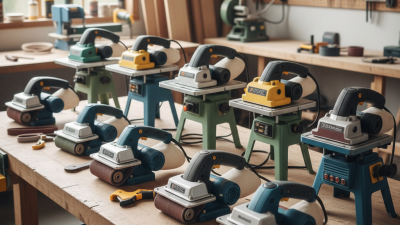
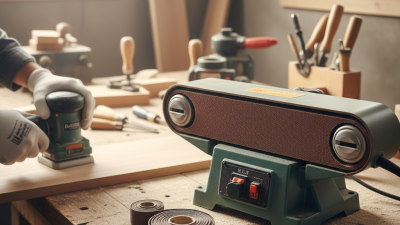
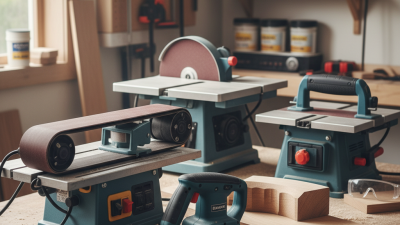
For instance, stationary belt sanders, often found in workshops, excel in handling larger pieces of wood. They provide stability and precision, making them ideal for heavy-duty tasks. Portable belt sanders are versatile and suitable for detailed work. Their lightweight design allows for easy maneuverability. According to a recent industry report, 35% of woodworkers prefer portable models for their convenience.
Another type is the angle belt sander, which is useful for reaching tight spaces. It often combines sanding and polishing functions. However, some users find them challenging to control. Almost 40% of woodworkers report a learning curve with these sanders. Each type has its strengths and weaknesses, emphasizing the importance of aligning the tool with the project requirements.
Maintenance Tips for Optimal Performance of Belt Sanders
Belt sanders are essential tools for woodworking. To ensure they work efficiently, regular maintenance is crucial. Start with inspecting the sanding belt. A worn-out belt can damage your workpiece. Replace it if you see visible wear or fraying. Keeping the belt tension correct is equally important. Too tight can strain the motor, while too loose may lead to slippage.
Cleaning the dust collection system is another key aspect. Dust accumulation can hinder performance and pose safety risks. Empty the dust bag frequently and check for blockages. Lubricate moving parts as recommended in the manual. This reduces friction and prolongs the tool's life. Inspect electrical cords for damage to prevent hazards.
After extensive use, some users might overlook these tasks. Neglecting maintenance can lead to poor results and costly repairs. Regular check-ups help maintain optimal performance. Consider setting a schedule to ensure consistent upkeep. This proactive approach will enhance your woodworking experience, making it more satisfying and safe.