How to Choose the Best Grinding Polishing Machine for Your Needs?
Choosing the right Grinding Polishing Machine can be challenging. The market offers many options, each with unique features. Expert Jane Smith, a leading consultant in the polishing industry, emphasizes, "Selecting the right machine is crucial for achieving optimal results." Her words resonate with those looking to enhance efficiency and quality.
Understanding your specific needs is vital. Factors like material type and project scale come into play. Many users overlook the importance of usability. A complex machine can lead to frustration and wasted time. Investing in a user-friendly Grinding Polishing Machine can make a significant difference.
Considerations also include machine maintenance and support services. A reliable manufacturer often provides ongoing assistance. This support can prove invaluable as you navigate challenges. Failing to account for these aspects may lead to poor choices. Reflecting on your operation's requirements is essential for long-term satisfaction.
Understanding the Different Types of Grinding Polishing Machines
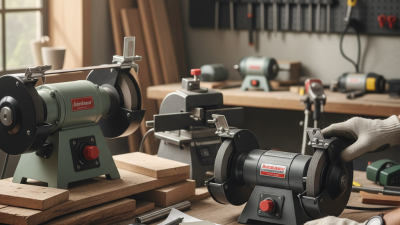
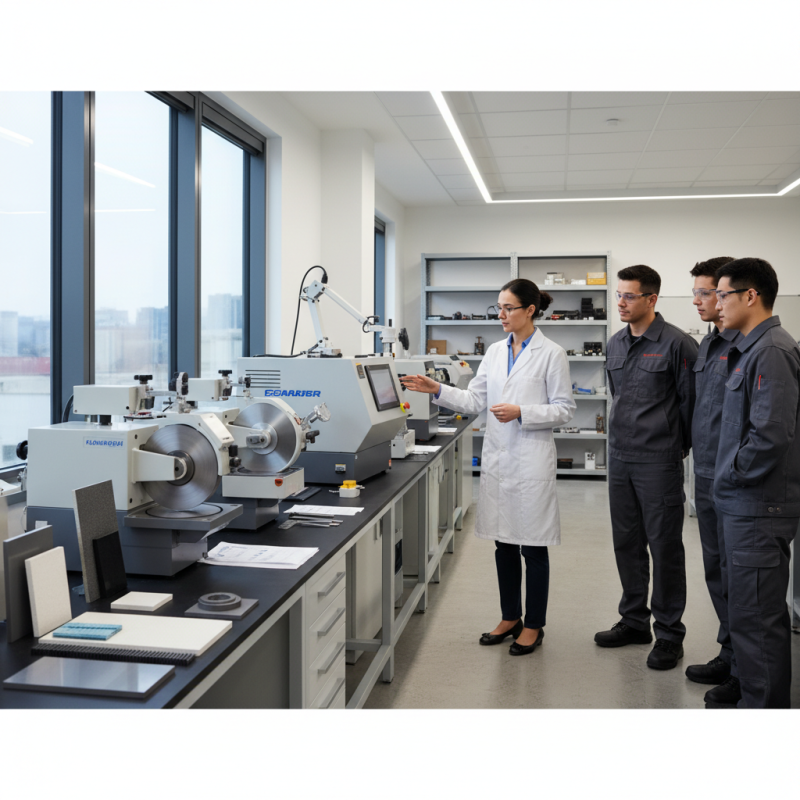
When selecting a grinding polishing machine, understanding the various types is essential. These machines generally fall into three categories: bench grinders, floor polishers, and handheld tools. Each type serves a different purpose and is designed for specific tasks. Bench grinders are ideal for sharpening tools and removing rust. Floor polishers work on larger surfaces, providing a smooth finish. Handheld tools, like angle grinders, offer versatility for tight spots.
Tips: Consider the material you will be working on. Softer materials require less aggressive machines. Moreover, think about the frequency of use. A heavy-duty model may be necessary for regular tasks. However, if you polish occasionally, a lighter machine might suffice.
Another aspect to reflect on is power and speed. Higher speeds are effective for quick jobs but can lead to surface damage if used unwisely. Make sure to assess your experience level. Beginners may benefit from machines with adjustable speeds for better control. Unchecked enthusiasm can lead to mistakes that affect your results. Evaluate your needs carefully to avoid investing in a machine that may not serve you well.
Key Features to Consider When Selecting a Grinding Polishing Machine
Choosing the right grinding polishing machine can be a daunting task. You should consider important features that match your specific needs. One key aspect is the machine's speed and power. A variable speed control allows you to tailor polishing for different materials. This flexibility can enhance the finish quality significantly. For small projects, a lightweight model might suffice, but heavier tasks demand robust machinery.
Another essential factor is the type of abrasive used. Some machines come with all-purpose pads, while others are designed for specific tasks. Understanding the different abrasives and their advantages can lead to better outcomes. Don't overlook the machine's size and weight; portability can be crucial, especially in tight spaces.
Finally, consider maintenance requirements. Some machines can be challenging to clean. Regular upkeep is essential for consistent performance. Read reviews and seek feedback on durability and ease of use. Choosing a machine with good support can save headaches down the line. Finding the right balance of features will make a big difference in your grinding and polishing projects.
Key Features to Consider When Selecting a Grinding Polishing Machine
Assessing Your Specific Needs and Applications for Polishing
When choosing a grinding polishing machine, assessing your specific needs is crucial. Various applications demand different polishing solutions. For instance, metal fabrication often requires machines with high RPMs and adjustable pressure settings. According to industry reports, a suitable machine can reduce polishing time by up to 30%. This efficiency translates to significant cost savings for businesses.
Another aspect to consider is the type of materials you will be working with. Hard materials like granite or quartz require robust machines with specialized pads. Conversely, softer materials may only need basic machines. Understanding these details helps in making an informed decision. A poorly matched machine can lead to poor quality finishes, ultimately harming your reputation.
Experts emphasize the importance of future needs. A machine that meets today’s demands might quickly become obsolete. Reports suggest that 40% of professionals regret not considering future applications when purchasing equipment. It's vital to balance current needs with potential changes in your projects. Investing in a versatile machine could be the key to adaptability in a fast-evolving industry.
How to Choose the Best Grinding Polishing Machine for Your Needs?
| Application |
Machine Type |
Power (Hp) |
RPM Range |
Weight (lbs) |
| Metal Polishing |
Belt Sander |
2 |
1500 - 5000 |
100 |
| Concrete Polishing |
Floor Grinder |
5 |
800 - 3000 |
250 |
| Glass Polishing |
Buffing Machine |
1.5 |
1200 - 4000 |
50 |
| Stone Polishing |
Wet Polisher |
3 |
600 - 3000 |
60 |
| Wood Finishing |
Disc Sander |
2 |
1000 - 3000 |
80 |
Comparing Brands and Models for Quality and Performance
When selecting a grinding and polishing machine, evaluating brands and models based on quality and performance is essential. Industry reports indicate that machines with varying RPM ranges significantly impact surface finish quality. For instance, lower RPMs are ideal for soft materials, while higher RPMs work better on harder surfaces. Understanding these dynamics helps users select the appropriate machine for their specific needs.
Consider the build quality and materials used in the machine's construction. Robust designs ensure longevity, reducing maintenance costs. Regularly checking for wear and tear can help maintain optimal performance. A machine that meets rigorous industry standards can often perform better than generic models.
Tips: Look for machines with user-friendly controls. This feature enhances usability and productivity. Ensure to assess the support and warranty offered by manufacturers. Good after-sales service is crucial for maintaining your machine. Additionally, join forums or groups that discuss equipment performance. Engaging with a community provides insights that reports may not cover.
Budgeting for Your Grinding Polishing Machine Purchase
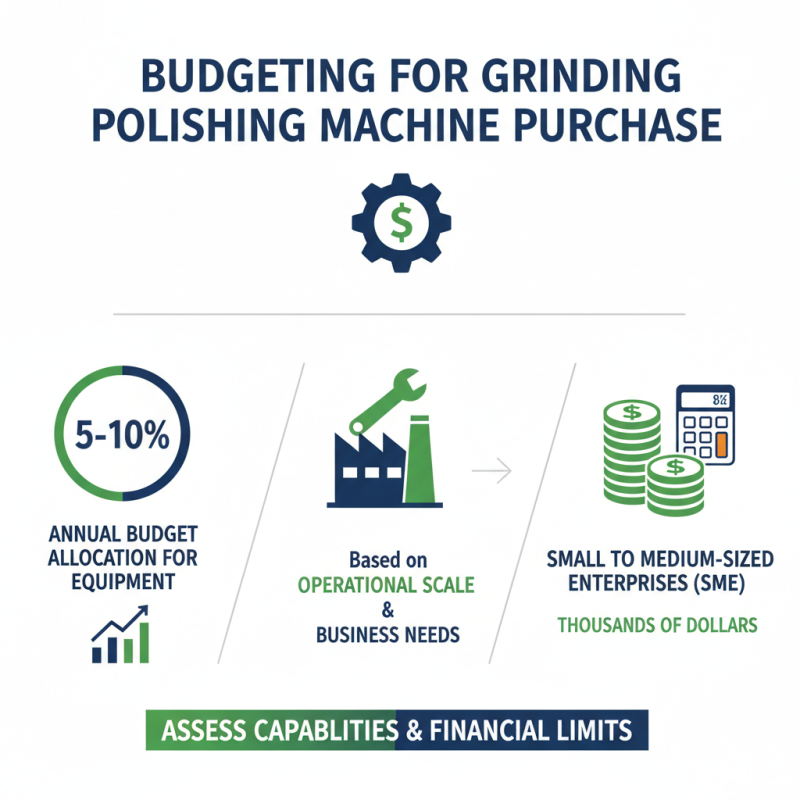
When considering a grinding polishing machine, budgeting is crucial. Industry reports indicate that companies allocate approximately 5-10% of their annual budget for equipment purchases. This percentage often fluctuates based on the operational scale and specific needs of a business. For small to medium enterprises, this can amount to thousands of dollars, making it essential to assess capabilities and financial limits.
Selecting a machine that fits your budget doesn't mean compromising performance. Reliable data suggests that spending a little more on a quality machine can lead to savings in maintenance costs down the line. The average lifespan of these machines can range from 5 to 15 years, depending on usage and care. If a machine is too cheap, it may result in frequent breakdowns, reflecting poor craftsmanship. This trade-off is often overlooked.
Many users misjudge their needs early on. It’s common to buy a machine that exceeds their actual requirements. This can lead to wasted resources. Understanding not just the initial cost, but also the expected operating costs will yield better decisions. Also, plan for additional expenses like tools and accessories. Always remember to factor in potential training costs for staff to operate the machines effectively.