China Top Grinding Machine Brands and Their Features?
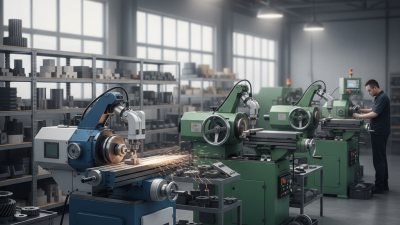
The grinding machine industry in China is burgeoning, featuring a mix of established brands and innovative newcomers. With a rich history of craftsmanship and technological advancement, China has become a leading player in manufacturing high-quality grinding machines. These machines are essential in various sectors, including automotive, aerospace, and metalworking, highlighting their significance in modern manufacturing processes.
Chinese brands have distinct features that set them apart. Many focus on precision, durability, and user-friendliness, responding to the diverse needs of global customers. Some brands stand out due to their advanced technology. However, not all brands maintain consistent quality across their product lines. Buyers often find it challenging to assess these inconsistencies. As the market grows, understanding which brands offer reliable, high-quality grinding machines becomes essential for companies.
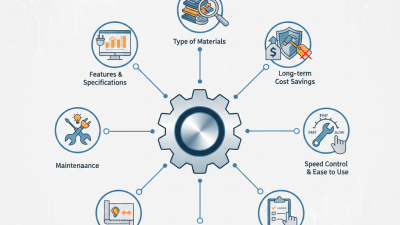
It's crucial to evaluate aspects such as performance, after-sales support, and the availability of spare parts. Investing in a grinding machine can be a significant decision for any business. Therefore, a thorough investigation into the top brands will ensure a worthwhile investment. The right choice can enhance productivity and ensure seamless operations, proving that quality matters.
Overview of the Grinding Machine Industry in China
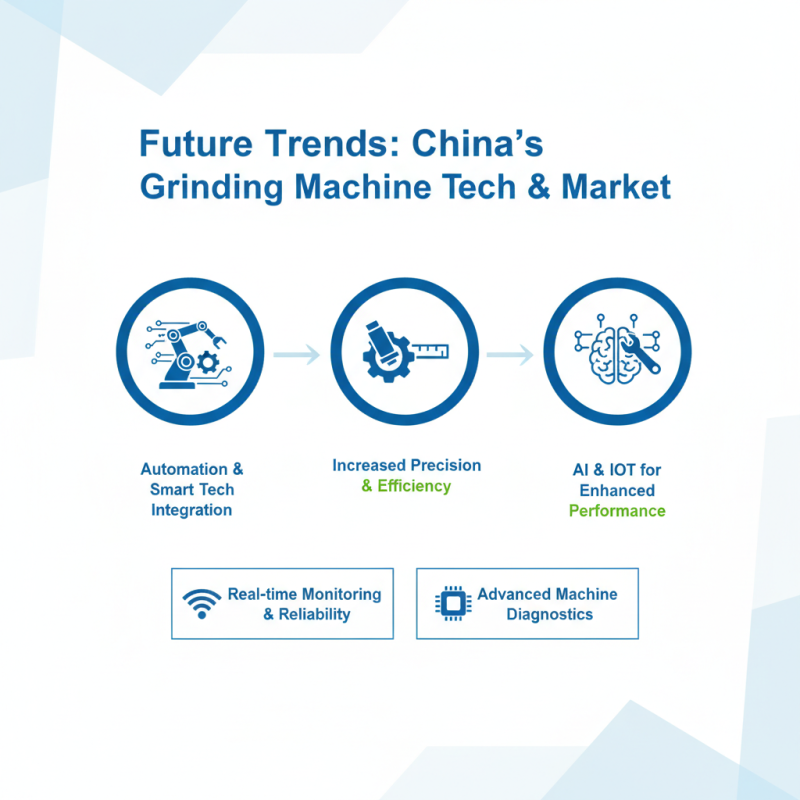
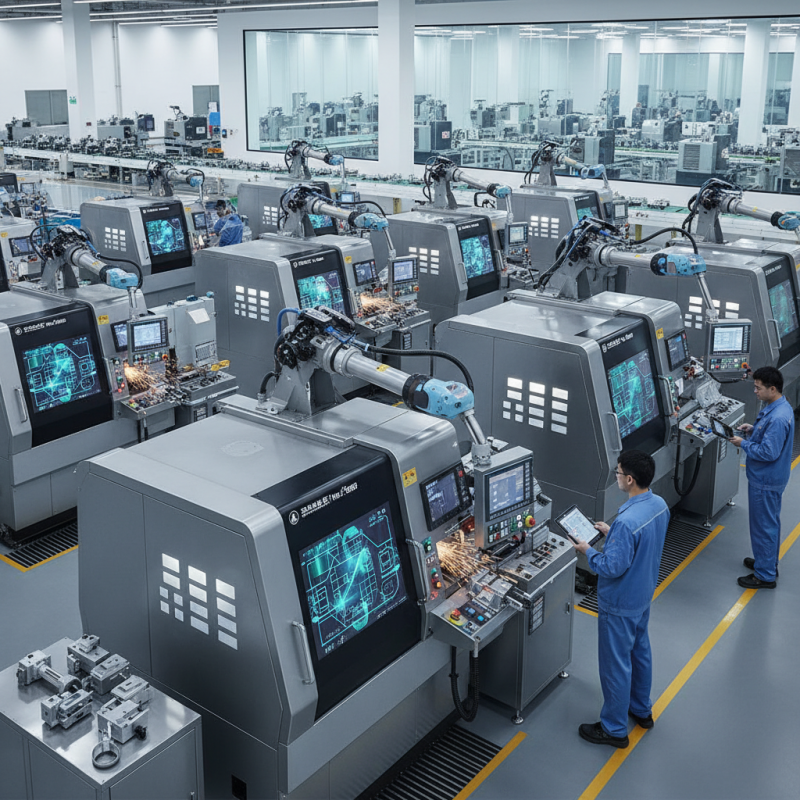
The grinding machine industry in China has shown remarkable growth over recent years. Driven by technological advancements, manufacturers focus on precision and efficiency. Many companies have implemented automated processes to enhance productivity. This shift not only boosts output but also improves the quality of products. The demand for high-performance machines continues to rise in various sectors.
Quality assurance remains a challenge for some manufacturers. Not all companies meet international standards consistently. A lack of skilled labor can also hinder product development. Some machines still face limitations in versatility and adaptability to various materials. The need for innovation is evident, as competition pushes brands to refine their technologies. Market players are actively pursuing research and development to overcome these obstacles.
Sustainability is becoming a priority. Companies strive to minimize waste and reduce energy consumption. However, many are still figuring out how to balance profitability and environmental responsibility. As the industry evolves, learning from past mistakes will be pivotal. Continual improvement is essential for maintaining a competitive edge. The future of grinding machines in China holds promise, but challenges must be addressed effectively.
Leading Chinese Grinding Machine Brands and Their Market Position
China is home to a diverse range of grinding machine brands, each carving out its niche in the global market. Companies provide a variety of grinding solutions tailored to different industries. These brands focus on innovation, precision, and efficiency, allowing manufacturers to enhance productivity. Many machines are designed with user-friendly interfaces, reducing the learning curve for operators.
Tips: Always assess the machine’s compatibility with your production processes. This can significantly impact operational efficiency.
Several leading brands dominate the Chinese market. They offer advanced technology, ensuring high-quality results. However, not all machines meet the same standards. Buyers should conduct thorough research to avoid subpar equipment. Reviews and testimonials can provide valuable insights into performance and reliability.
Tips: Consider maintenance costs and availability of spare parts. Long-term serviceability matters.
Investing in reputable brands might seem costly initially, but it often pays off. Top brands integrate the latest advancements in design and functionality. Nonetheless, the competition is fierce, and newer brands emerge with innovative features. Not every new machine is a reliable choice, so flexibility in evaluating options is key.
China Top Grinding Machine Brands Market Share
Key Features and Innovations of Top Grinding Machine Brands
In the world of grinding machines, innovation drives performance and efficiency. Top brands emphasize features like high precision, durability, and advanced automation. Industry reports highlight that nearly 70% of manufacturers prioritize machine reliability. Reliable machines minimize downtime and ensure smooth operations, crucial in today's competitive market.
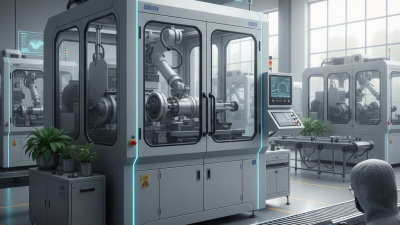
Recent advancements include CNC technology, which streamlines the grinding process. This technology enhances precision and repeatability. Reports indicate that companies adopting CNC technologies see efficiency gains of 25% or more. However, these sophisticated systems require skilled operators, posing a challenge for some users.
Moreover, many top brands incorporate eco-friendly practices in their designs. Energy-efficient motors and sustainable materials reflect a growing industry trend. Yet, the cost of sustainable options can be a barrier for smaller enterprises. Balancing innovation with affordability remains a critical reflection point for both manufacturers and consumers in the grinding machine sector.
China Top Grinding Machine Brands and Their Features
| Feature |
Description |
Innovation |
| Precision Engineering |
High-accuracy components for superior grinding results |
Advanced CNC technology integration |
| User-Friendly Interface |
Intuitive controls for ease of operation |
Touchscreen panel with real-time monitoring |
| Energy Efficiency |
Reduced power consumption during operation |
Innovative motor designs and drives |
| Versatility |
Ability to perform various grinding tasks |
Multi-functional tooling options |
| Safety Features |
Enhanced safety protocols for user protection |
Emergency stop and shield mechanisms |
Comparative Analysis of Grinding Machines from Different Manufacturers
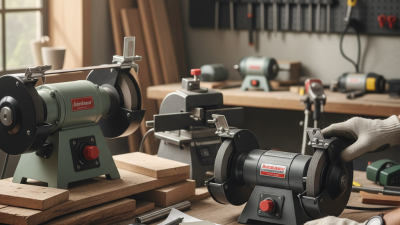
When exploring the landscape of grinding machines, several manufacturers stand out. Each brand offers unique features designed to meet specific needs. Performance is key; some machines excel in speed, while others prioritize precision. Users should carefully assess what matters most for their applications.
In terms of design, many models present robust construction. However, this can impact portability. A heavier machine may enhance stability, but it's less convenient for smaller workshops. Features such as dust collection systems can affect cleanliness and maintenance, yet they add complexity. Users must weigh these factors against their operational workflow.
Moreover, technological innovation varies widely. Some brands integrate advanced controls, enabling greater automation. This is great for efficiency but might alienate users unfamiliar with digital interfaces. Finding a balance between traditional mechanics and new technologies often invites reflection. Each machine's potential comes with its own set of challenges and considerations.