2026 How to Choose the Best Metal Buffing Machines for Your Workshop?
Choosing the best metal buffing machines for your workshop is crucial. These machines can enhance the look of metal surfaces and improve their durability. A good buffing machine can save you time and increase productivity.
When selecting, consider your specific needs. Different projects require different types of buffing machines. Some machines may excel in polishing while others focus on faster operations. Finding the right balance is essential.
It's important to research brands and models before making a decision. User reviews provide insight into the performance of these machines. Look for machines that offer both quality and reliability. Remember, not every machine will meet your expectations. Take the time to reflect on what you truly need.
Factors to Consider When Selecting Metal Buffing Machines
Choosing the right metal buffing machine for your workshop takes careful consideration. Begin with your specific needs. Analyze the type of metal you will work with. Different metals require distinct buffing approaches. For instance, softer metals may need gentler buffing, while harder metals might require more robust machinery.
Next, consider the machine's size and power. Ensure it fits your workspace without compromising functionality. A powerful machine can increase efficiency but may also be more challenging to control. It's essential to balance power and ease of use. Safety features should never be overlooked. A lack of safeguards can lead to serious injuries or equipment damage.
Lastly, think about maintenance and reliability. Machines that are hard to maintain can lead to frustrations. Regular upkeep can maximize the lifespan of your equipment. Reflecting on past experiences can provide valuable insights into what works best. Consider feedback from trusted sources. Your workshop's productivity depends on making informed choices.
Types of Metal Buffing Machines Available for Workshops
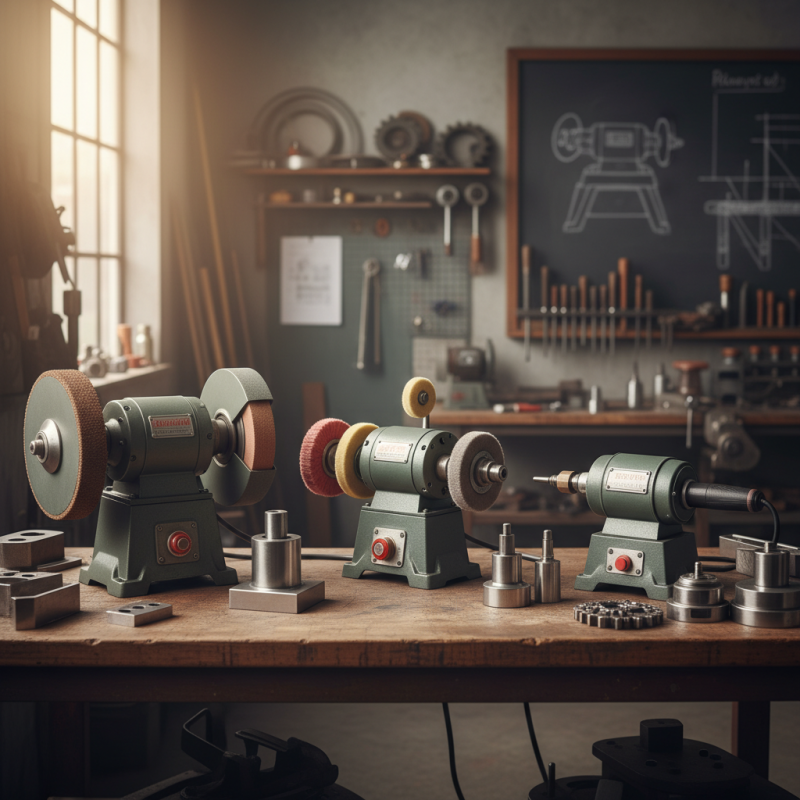
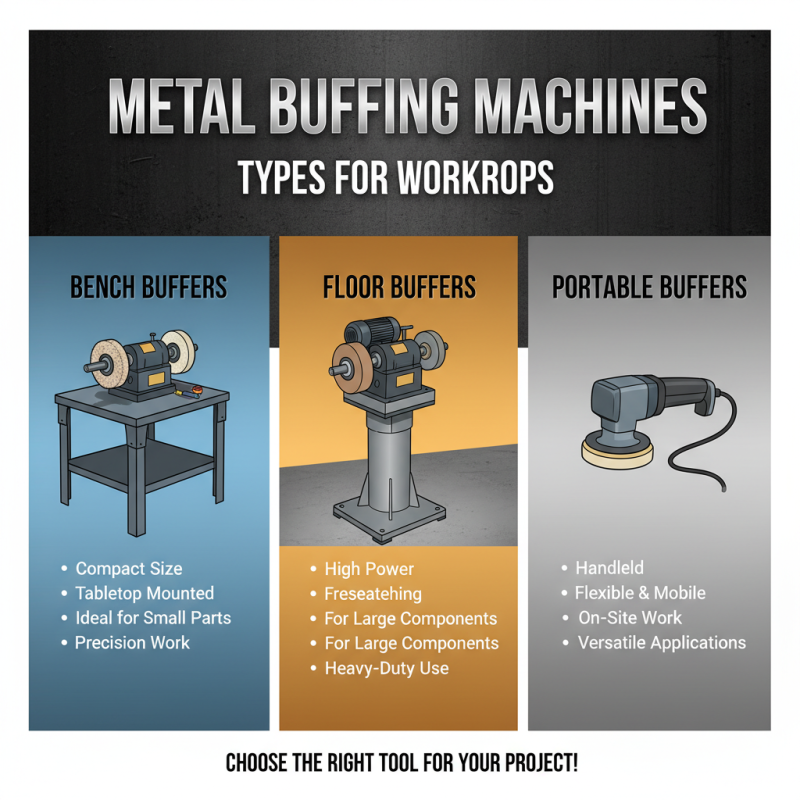
When selecting a metal buffing machine for your workshop, it’s crucial to understand the available types. Metal buffing machines primarily fall into three categories: bench buffers, floor buffers, and portable buffers. Each type offers specific advantages for different projects.
Bench buffers are compact and ideal for small workshops. They are usually mounted on a workbench. These machines provide stability and ease of use. Floor buffers, on the other hand, are larger and more powerful. They are suitable for heavy-duty tasks. These machines can handle bigger pieces of metal, ensuring a thorough polish.
Portable buffers offer flexibility and convenience. They are easy to move around, making them a good choice if your workshop has limited space. However, they may lack the power of larger machines. Many users find that a combination of these tools enhances efficiency. Experimenting with different types can reveal what works best in your specific situation. Remember, not every machine is perfect for all tasks. Each option comes with its own set of challenges. Consider your individual needs carefully before making a decision.
Key Features to Look for in a Quality Buffing Machine
When choosing a metal buffing machine, several key features matter. The power of the motor is crucial. A stronger motor can handle tough jobs and provide better results. Look for a machine with adjustable speed settings. This allows for versatility when working with different metals. You can fine-tune your approach, depending on the task at hand.
Another important aspect is the size and weight of the machine. A heavier model often offers stability, which can lead to smoother operations. Yet, portability is essential for smaller workshops. Think about your workspace and how often you might need to move the equipment. Additionally, pay attention to the types of buffing wheels it can accommodate. Different wheels serve various purposes, from polishing to removing scratches.
Safety features should never be overlooked. Machines with proper guards and emergency shut-off switches protect you during use. Maintenance is also worth considering. Look for machines that are easy to clean and maintain. If it requires constant attention, it might not suit your workflow. Balancing these features can help you find a reliable buffing machine. Select one that aligns with your specific needs.
2026 How to Choose the Best Metal Buffing Machines for Your Workshop? - Key Features to Look for in a Quality Buffing Machine
| Feature |
Description |
Importance |
| Motor Power |
Ideal range from 1 to 5 HP depending on usage |
Higher power allows for faster buffing |
| Belt Speed |
Variable speed options preferred |
Flexibility for different materials |
| Buffing Wheel Size |
Common sizes 6 to 12 inches |
Larger wheels cover more surface area |
| Dust Collection |
Integrated dust ports or bags |
Keeps workspace clean and safe |
| Build Quality |
Durable materials that withstand heavy use |
Longer lifespan and reliability |
| Ease of Use |
User-friendly controls and setup |
Reduced setup time and smooth operation |
| Versatility |
Ability to work with different materials |
Increased usability across projects |
| Safety Features |
Emergency shut-off and safety guards |
Prevents accidents and injuries |
Understanding the Power and Speed Requirements for Buffing
When selecting the best metal buffing machines, understanding power and speed requirements is crucial.
Power ratings, typically measured in amps or watts, determine how efficiently a machine can perform. According to industry standards, machines should have a minimum power of 1 HP for general tasks.
Higher power ratings, around 2 HP, are recommended for heavy-duty applications. This ensures that the machine can handle tough materials without stalling.
Speed is another critical factor. Buffing machines usually operate between 1,000 to 3,600 RPM. However, the optimal speed often depends on the material being polished.
For softer metals like aluminum, lower speeds around 1,500 RPM prevent overheating and maintain the finish. In contrast, harder materials may require higher rotations for effective buffing.
The choice of buffing wheel can also influence speed. Using a coarse wheel with a high-speed machine can lead to faster wear, which is a common oversight.
Experience shows that many workshops underestimate the importance of adjustable speed settings. These settings allow users to match the machine's performance to specific tasks or materials.
Research indicates that about 30% of buffing machine users encounter issues due to incorrect speed adjustments. This highlights the need for thorough training and understanding of the equipment to maximize efficiency and achieve desired results.
Maintenance and Safety Tips for Operating Metal Buffing Machines
Operating metal buffing machines requires attention to maintenance and safety. Regular care ensures longevity and effective performance. A well-maintained machine operates smoothly and minimizes downtime. Check the belts and bearings often. These parts wear out and can affect performance.
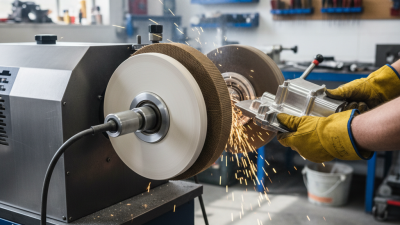
Tips for operating safely include wearing appropriate personal protective equipment (PPE). Use safety goggles to protect your eyes from sparks. Ear protection is vital, too, as buffing machines can be loud. Proper gloves also help prevent injuries. Additionally, keep work areas clean. A cluttered space can lead to accidents.
It's essential to understand your machine's manual. Familiarize yourself with operating procedures and safety guidelines. Don't rush through tasks. Taking your time reduces mistakes and enhances safety. Reflect on past experiences and learn from them. Adjust your practices as necessary to improve efficiency and reduce risks.