2026 How to Choose the Best Plate Sheet Polishing Machine?
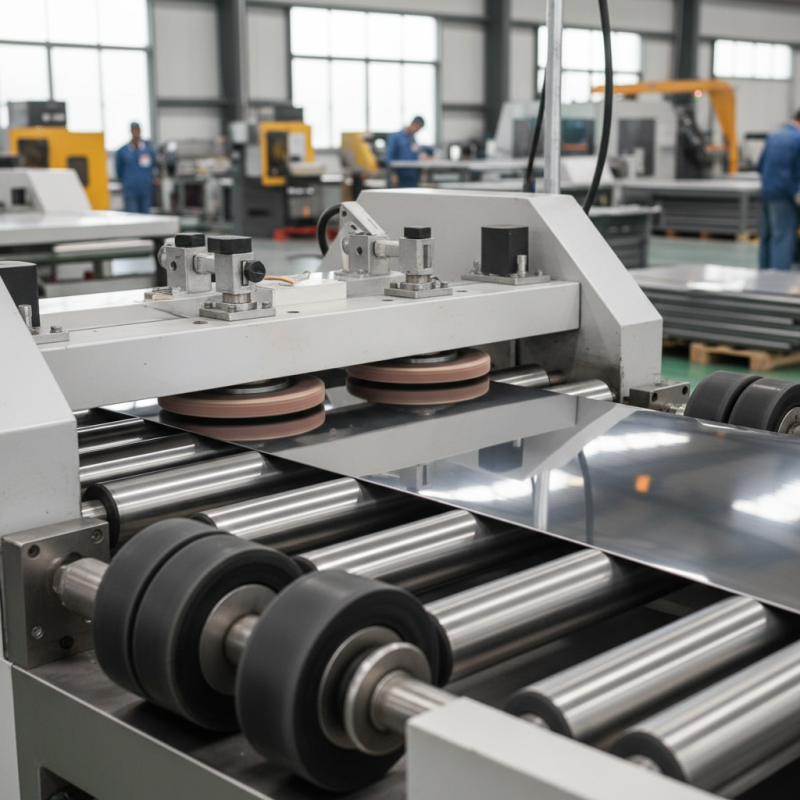
Choosing the right Plate Sheet Polishing Machine can significantly enhance your production process. This equipment is crucial for achieving a smooth, polished finish on various metal sheets. The right machine influences quality, efficiency, and cost.
When selecting a Plate Sheet Polishing Machine, consider factors like machine size and power. The quality of materials used in construction matters. Look for machines with reliable motors and durable components. Features such as adjustable speed and easy maintenance can make a big difference.
However, navigating through specifications is not always straightforward. Some machines may look appealing but fail in performance. It’s essential to read reviews and seek expert advice. Reflect on your specific needs and the type of work you do. A thoughtful choice today can prevent costly mistakes tomorrow.
How to Identify Key Features in Plate Sheet Polishing Machines
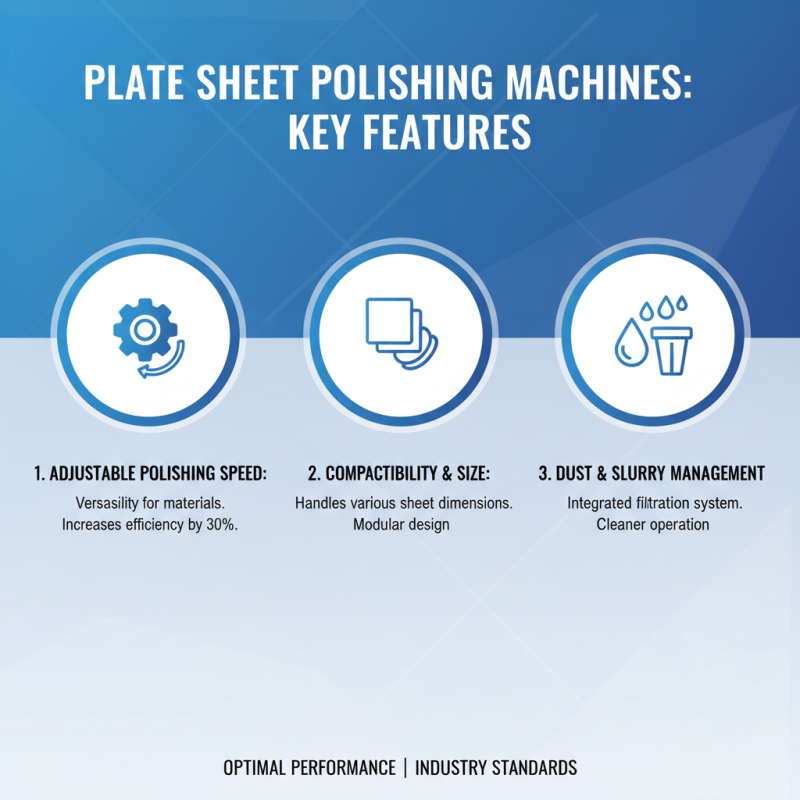
Choosing the right plate sheet polishing machine is crucial for achieving optimal results in various industries. When exploring these machines, prioritize understanding key features that influence performance. For instance, consider the polishing speed. Machines that operate at adjustable speeds offer versatility for different materials. A recent industry report indicates that machines with variable speed controls increase efficiency by 30% in production settings.
Another critical feature is the type of polishing tools used. Look for machines compatible with various polishing pads and belts. This adaptability can reduce costs and enhance the quality of the finish. Often, the right tool can lead to smoother surfaces, which is vital in fields like aerospace and automotive manufacturing. It's worth noting that subpar machines may fail to provide consistent results, leading to potential rework and waste.
**Tip:** Regular maintenance is essential. Schedule check-ups to ensure the machine runs optimally. Keep an eye on the tool wear; this can significantly affect output quality.
Additionally, dimensions and weight matter. A compact, lightweight machine is easier to maneuver. However, it’s essential to balance portability with stability. A well-balanced machine will reduce vibrations and ensure a better finish. Remember, selecting the wrong machine can lead to production delays. Consider the unique requirements of your projects as you evaluate options.
Understanding Motor Power Ratings and Their Impact on Performance
When choosing a plate sheet polishing machine, understanding motor power ratings is essential. Motor power impacts the machine's efficiency and output quality. Higher power ratings generally mean faster and more effective polishing. For instance, machines with 5 HP can polish metal sheets up to 3 times quicker than those with 2 HP. This efficiency is crucial in high-production environments.
However, it's important not to overlook other factors. A powerful motor might lead to overheating issues if not properly managed. Some operators report increased wear on parts due to excess power. Users need to balance power with cooling systems and maintenance routines.
Tips: Always check the duty cycle of the motor. A motor running beyond its recommended capacity can suffer. Look for machines that offer variable speed settings. They allow for better control and adaptability to different materials. Remember that optimizing for power isn’t the only consideration; machine stability also plays a key role in output quality.
Assessing Polishing Techniques: Orbital vs. Linear Motion Machines
When choosing a plate sheet polishing machine, understanding the polishing techniques is crucial. Orbital and linear motion machines offer distinct methods. Orbital machines use a circular motion. This allows for an even finish across the surface. The movement is smooth and can reduce the risk of swirl marks. However, achieving a consistent outcome can sometimes be challenging.
On the other hand, linear motion machines operate with back-and-forth movements. This technique can provide a more aggressive polish. It can remove scratches quickly but may lead to uneven results if not handled correctly. Operators need to be precise and attentive. A wrong angle can create more problems than it solves.
Each method has its strengths. Orbital machines excel in finesse, while linear machines may speed up the process. Consider the specific needs of your project. Analyze the materials involved and the desired finish. Recognizing these details will help make an informed decision.
2026 How to Choose the Best Plate Sheet Polishing Machine? - Assessing Polishing Techniques: Orbital vs. Linear Motion Machines
| Criteria |
Orbital Motion Machines |
Linear Motion Machines |
| Polishing Quality |
High quality finish, less risk of uneven polishing |
Good finish, may require more passes |
| Speed |
Slower, but focuses on quality |
Faster processing speed |
| Ease of Use |
User-friendly, easier maintenance |
Requires more technical knowledge |
| Cost |
Generally higher initial investment |
More budget-friendly options available |
| Applications |
Ideal for delicate materials |
Suitable for bulk processing |
| Maintenance |
Lower maintenance needs |
Higher maintenance frequency |
Evaluating Machine Durability: Materials and Construction Standards
When selecting a plate sheet polishing machine, durability is a key factor. Materials play a crucial role in determining a machine’s lifespan. High-quality metals such as stainless steel can resist rust and wear. The choice of construction standards also matters. Thick, robust frames often withstand heavy use. Look for machines that meet specific industry standards.
Another element to consider is the design of the machine. A simple structure can sometimes mean fewer points of failure. Machines with complicated designs may need more maintenance. Parts should be easily accessible for repairs. This design choice affects both the cost and downtime. Users may overlook these aspects, leading to poor decisions later on.
Keep in mind the balance between cost and quality. Cheaper materials may save money upfront but lead to failures sooner. Long-term savings often come from investing in durable options. Evaluating reviews and feedback from other users can offer insights. It’s worth pondering the experiences of others to guide your choice.
Analyzing Cost-Effectiveness: Long-Term Benefits vs. Initial Investment
When choosing a plate sheet polishing machine, cost-effectiveness becomes a key consideration. Initial investment is often substantial. However, the long-term benefits can outweigh this upfront cost. For example, a higher-quality machine may have a longer lifespan. It can produce better results consistently. This can lead to increased productivity and efficiency.
Budget constraints can complicate decisions. Cheaper machines may save money upfront. Still, they could lead to more repairs over time. Expensive machines might seem daunting at first. Yet, they can reduce labor costs and material waste. Investing in quality can enhance workplace reputation. Customers notice well-finished products. Repeat business often follows.
It’s crucial to assess your specific needs. Some machines may have features that improve versatility. Others may have limited applications but excel in specific tasks. Reflecting on your production goals helps clarify the right choice. Sometimes, the perfect machine isn't the most expensive one. Prioritizing your unique situation is essential.
2026 How to Choose the Best Plate Sheet Polishing Machine?