2026 Best Surface Deburring Machine for Global Buyers?
In the ever-evolving landscape of manufacturing, the demand for efficient and reliable Surface Deburring Machines is paramount. Experts agree on the significance of these machines for precision engineering. Dr. Emily Carter, a renowned authority in the field, asserts, "Investing in a high-quality Surface Deburring Machine saves time and enhances product quality." This insight is vital for global buyers seeking the best solutions for their operations.
The Surface Deburring Machine industry is marked by rapid advancements and diverse options. With various models available, selecting the right one can be daunting. Understanding the unique needs of your manufacturing process is essential. Investing in the wrong machine may lead to inefficiencies and increased costs. Buyers must critically evaluate their choices to avoid regrets later.
Surface Deburring Machines are not merely tools; they represent a crucial investment in quality control. As production demands surge, having the right machinery at hand is more important than ever. Navigating this market requires knowledge and discernment. Potential buyers should reflect on their specific requirements, ensuring they make an informed decision. The right Surface Deburring Machine can drive success, but it also requires careful consideration.
Overview of Surface Deburring Machines
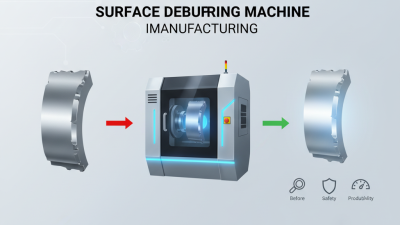
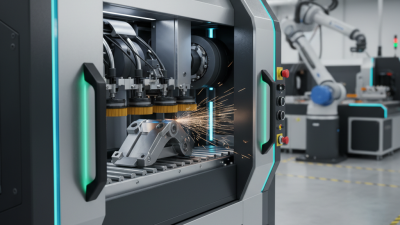
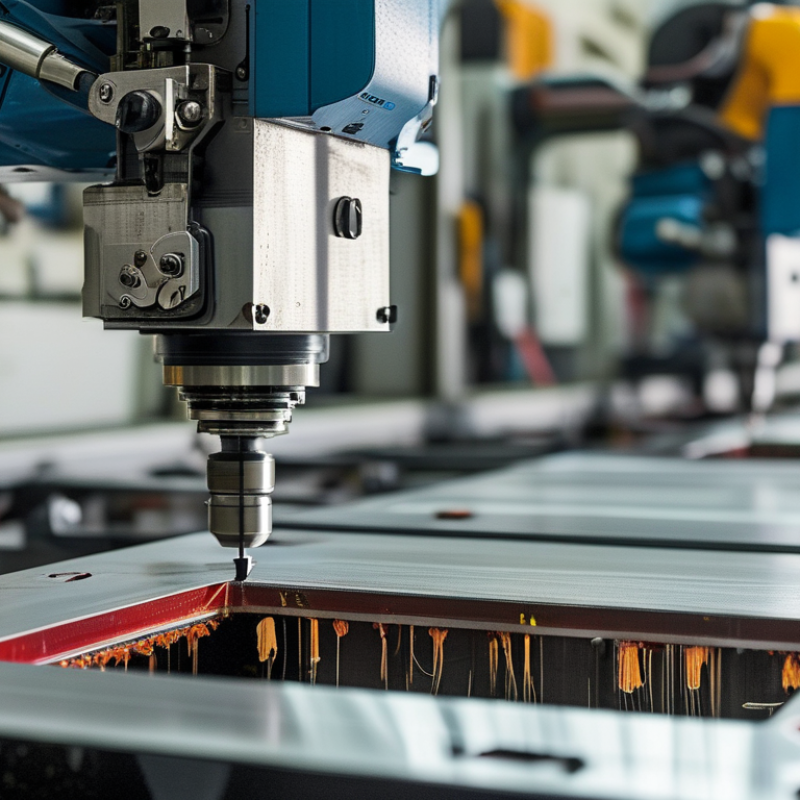
Surface deburring machines play a crucial role in the manufacturing process. These machines help remove sharp edges and burrs from metal parts. This not only improves the appearance but also enhances safety during handling. Operators must understand the various types of deburring techniques available. Some methods use abrasive belts, while others employ rotary brushes.
Each method has its own set of advantages. Abrasive belts can be effective for larger surfaces, while rotary brushes excel in precision. However, not all machines deliver consistent results. Inexperience can lead to uneven finishes. Regular maintenance is essential to prevent machine wear and ensure optimal performance. The choice of machine depends heavily on the type of materials processed and the desired finish.
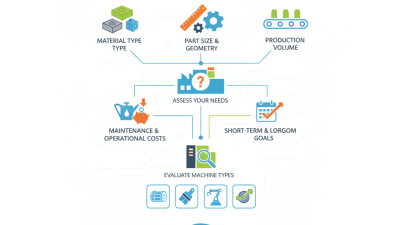
Users should also consider production volume when selecting a machine. Some deburring machines are efficient for small batches, while others are suited for high-volume production. Understanding these factors can prevent decision-making challenges. A careful evaluation of the machine's capabilities is necessary. Balancing efficiency and quality can be complex, making it essential to ask the right questions during the selection process.
Key Features to Consider When Choosing a Deburring Machine
When choosing a deburring machine, several key features significantly influence performance and efficiency. One important aspect is the type of deburring technology used. There are various methods, such as mechanical, thermal, and chemical deburring. Each has its strengths and weaknesses. A 2021 market analysis indicated that mechanical methods are favored in over 60% of industrial applications, primarily for their versatility and speed.
Another crucial feature is the machine's adaptability. Flexibility to handle different materials, such as metal and plastic, is vital. According to a recent survey, 75% of manufacturers consider the ability to accommodate varying workpieces essential. Furthermore, the speed and quality of the finish play a central role. Machines capable of producing a fine finish at high speeds can significantly reduce processing time while maintaining product quality.
Additionally, ease of operation and maintenance cannot be overlooked. A user-friendly interface ensures that operators can quickly adapt, minimizing training time. Moreover, maintenance schedules are critical; machines requiring frequent servicing can lead to increased downtime. A report from a leading industry source emphasizes that about 30% of production delays stem from unexpected equipment issues. Therefore, selecting a deburring machine that balances performance, adaptability, and reliability is vital for optimal operations.
Top Brands and Models for Surface Deburring in 2026
When it comes to surface deburring machines in 2026, buyers face a plethora of options.
Various machines cater to different needs, from small workshops to large production facilities.
Each machine has unique features that can enhance performance and efficiency.
Understanding these can help buyers make informed decisions.
Choosing the right machine requires careful consideration.
Look for models that offer adjustable speeds and multiple abrasive options.
This flexibility allows for better handling of diverse materials.
Additionally, machines with automated functions can improve productivity.
However, a fully automated process may not always guarantee the best results.
It's wise to test machines on various materials before finalizing a purchase.
There are key factors to remember while selecting a deburring machine.
Assess the machine’s maintenance requirements and support services.
Some machines may seem appealing but could require excessive upkeep.
Review user feedback and case studies to understand real-world performance.
Balancing initial costs with long-term value is crucial.
Investing in a reliable machine could ultimately save money and time.
An educated choice leads to increased operational efficiency and product quality.
Comparative Analysis of Pricing for Global Buyers
The global market for surface deburring machines is evolving rapidly. Pricing remains a critical factor for manufacturers and buyers alike. According to a recent industry report, prices can fluctuate significantly, influenced by machine capabilities, material compatibility, and production scale. The average cost ranges from $5,000 to $30,000, depending on specifications and technology.
When evaluating options, global buyers must consider operational efficiency alongside upfront costs. High-end machines may offer enhanced features like automatic feed and precise control, but their initial investment can be daunting. Some businesses opt for lower-priced models to reduce expense, only to face higher maintenance costs later. Reports indicate that nearly 30% of buyers end up dissatisfied due to underestimated operational costs.
Emerging trends are also prompting shifts in pricing structures. As sustainability becomes a priority, companies are developing energy-efficient machines. These models, while initially more expensive, promise lower long-term operational costs. Buyers should weigh these factors carefully. It is essential to seek out detailed specifications and performance metrics before making a decision, as the long-term implications greatly impact overall effectiveness and profitability.
Future Trends in Surface Deburring Technology
The future of surface deburring technology shows promising advancements. Industry reports indicate a projected market growth of 5.7% CAGR from 2023 to 2028. This growth reflects the increasing demand for precision in manufacturing processes. With automation becoming more prevalent, machines will offer enhanced efficiency and reliability.
Next-generation deburring machines will incorporate smart technology. These innovations allow for real-time monitoring and adjustments. Reports suggest that integrating AI can identify variations in deburring quality. This technology can guide operators toward immediate corrections, reducing waste and rework. In a world focused on sustainability, this feature contributes to fewer resources being consumed.
Tips for buyers include assessing machine capabilities. Look for features that provide flexibility for various materials. Machines that can handle metals, plastics, and composites will be essential. Understand that investing in training for operators will maximize machine potential. Continuous education ensures effective operation, keeping pace with evolving technology.
2026 Best Surface Deburring Machine for Global Buyers
| Machine Model |
Deburring Method |
Processing Speed (mm/min) |
Power Consumption (kW) |
Weight (kg) |
Price (USD) |
| Model A |
Mechanical |
1500 |
3.5 |
200 |
5000 |
| Model B |
Chemical |
1200 |
2.0 |
150 |
3500 |
| Model C |
Laser |
1800 |
5.0 |
300 |
8000 |
| Model D |
Electrolytic |
1400 |
4.0 |
250 |
6000 |